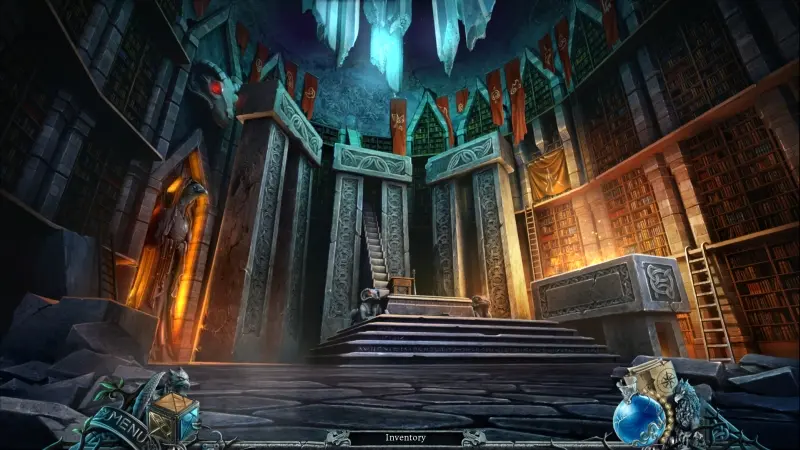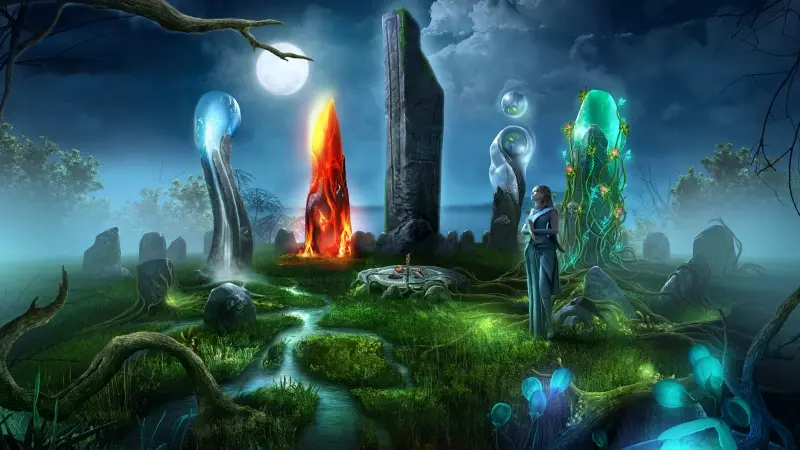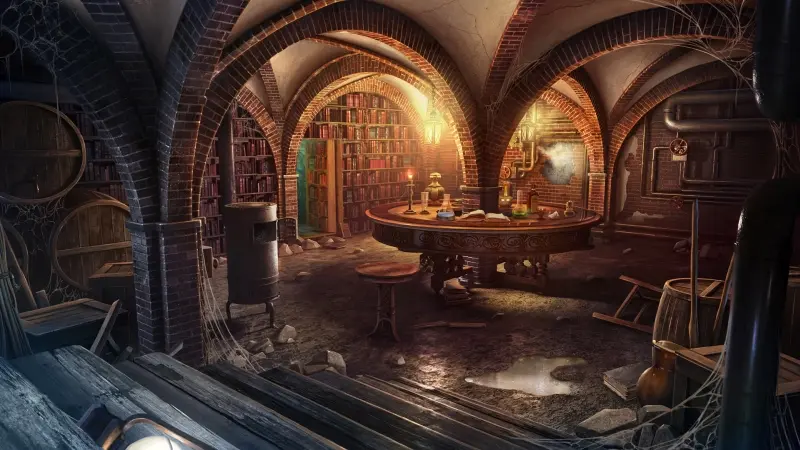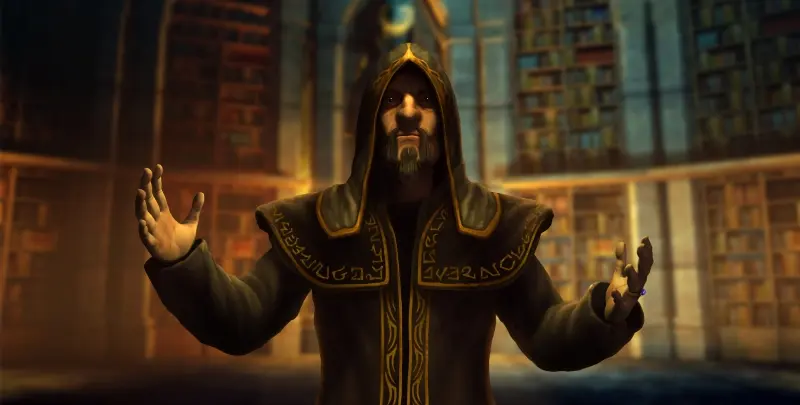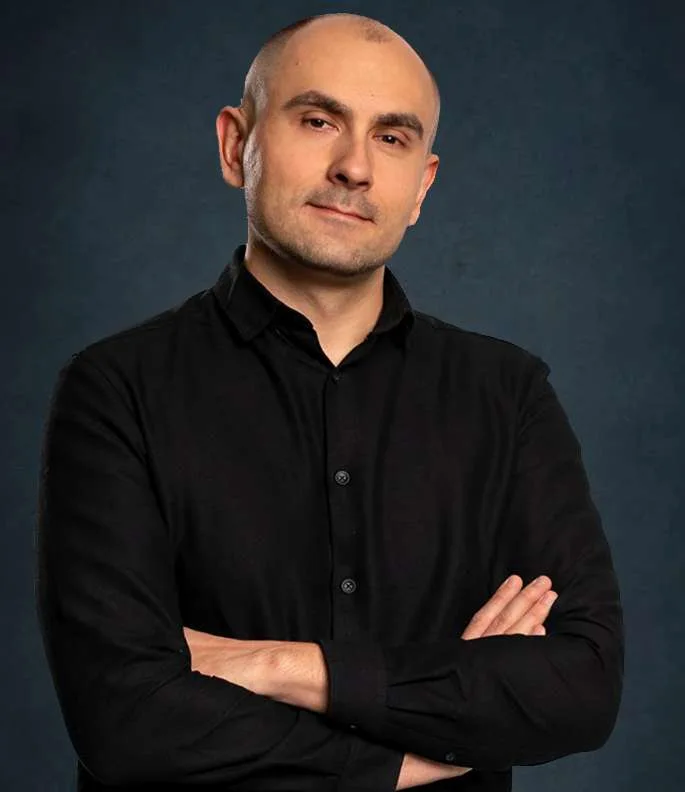



I design systems, narratives and player experiences.

Piotr Soska — Senior Game Designer and Narrative Designer with 13+ years of experience in gamedev, creating engaging mechanics, meaningful stories and player journeys across PC, console, mobile and VR. Game design, narrative design, quest design, system design and creative direction.

Piotr Soska – Senior Game Designer and Narrative Designer
Selected Impact
13 YEARS
EXPERIENCE
Since 2012 in game development
10+ SHIPPED
PROJECTS
Commercial games & applications
6 Led teams
up to 6 people
Led and mentored design teams
Gamepad
Worked Across PC, Console,
Mobile & VR
Unity and Unreal
Engines Unity, Unreal
and more
Designed Gameplay,
Narrative And
Progression Systems
Selected Projects
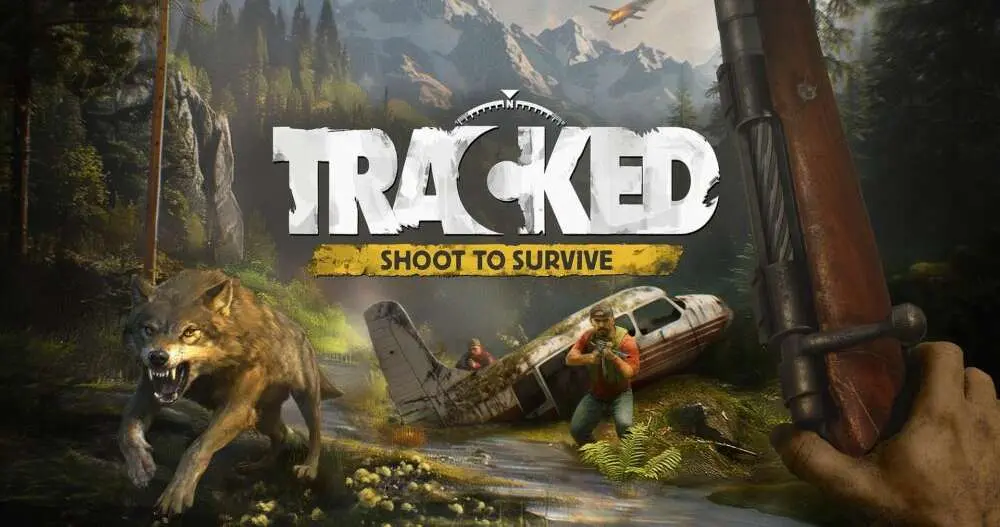
TRACKED: Shoot to Survive

TRACKED: Shoot to Survive

Survival Action Adventure (VR)
Narrative Design Systems Design
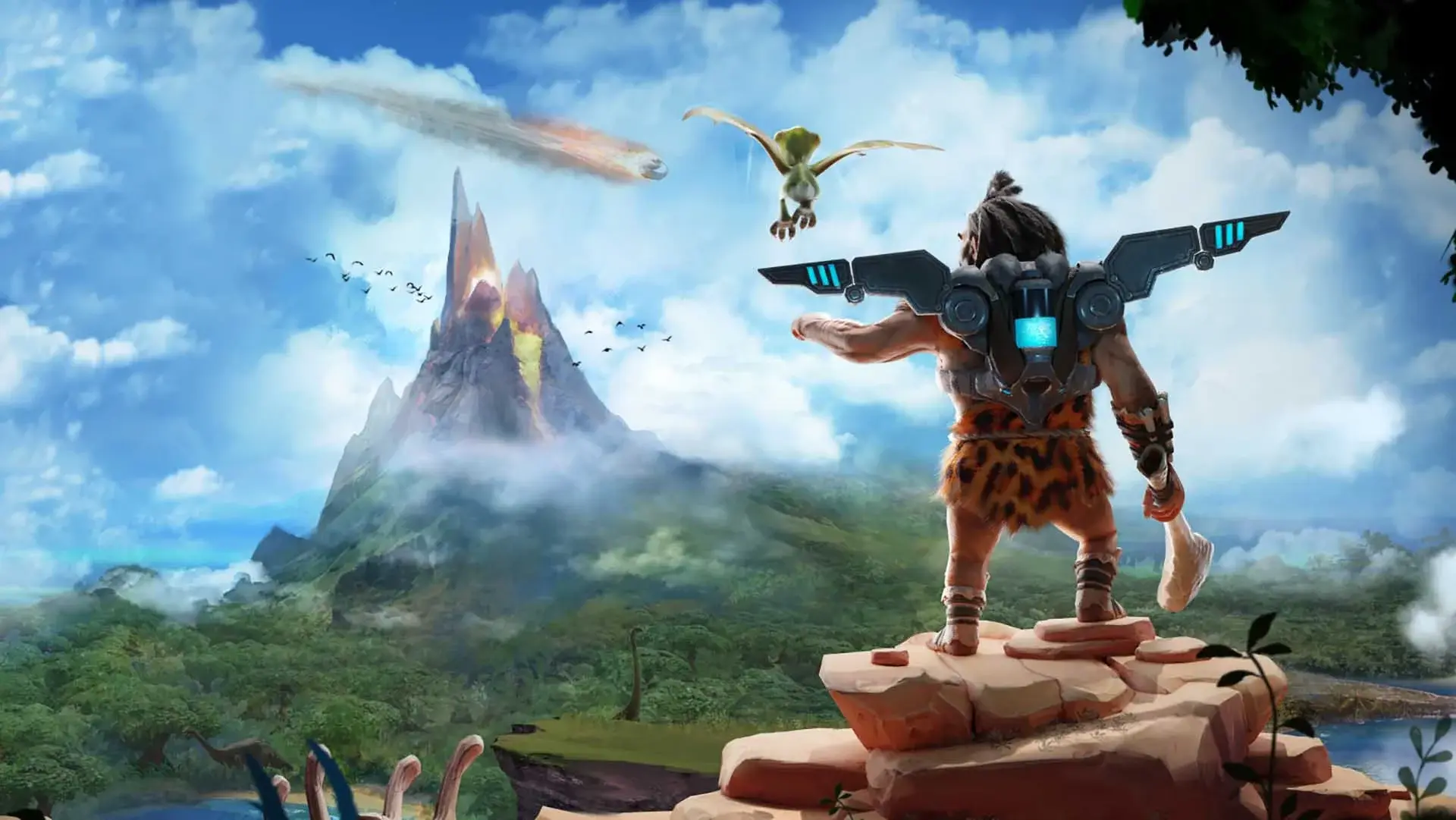
Jet Kave Adventure

Jet Kave Adventure

Action Platformer

Game Design Level Design
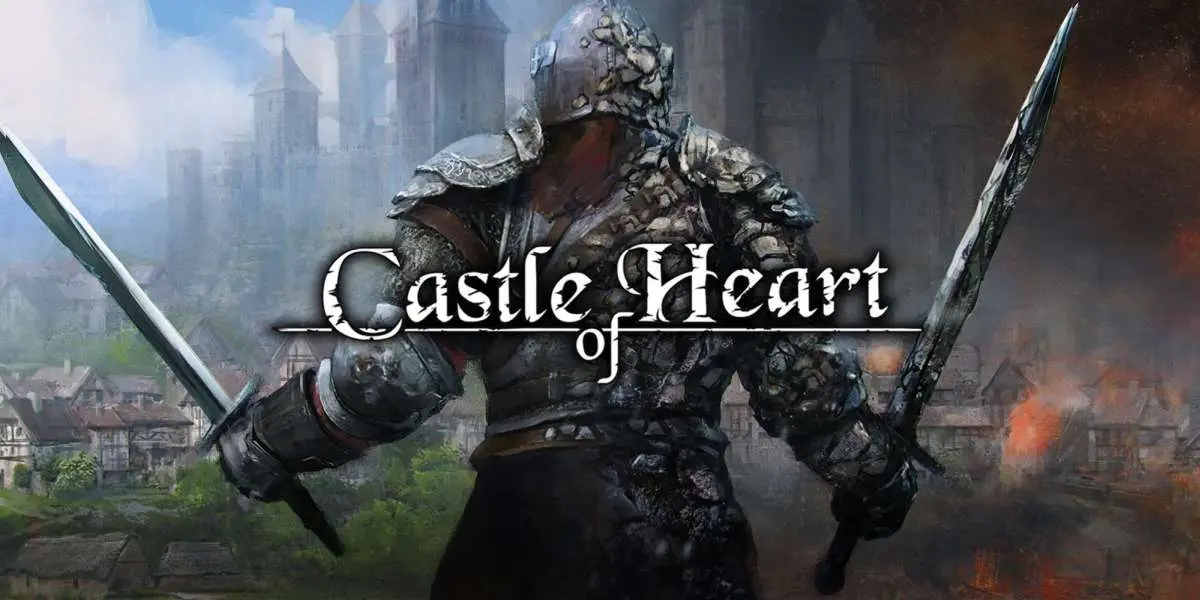
Castle of Heart

Castle of Heart

Action Platformer

Game Design Level Design
Expertise
System Design
System Design
Progression Systems
Economy Design Gameplay Loops
Narrative Design
Narrative Design
Worldbuilding Quests
Dialogues Player Choice
Leadership
Team Leadership Mentoring
Creative Vision
Design Process
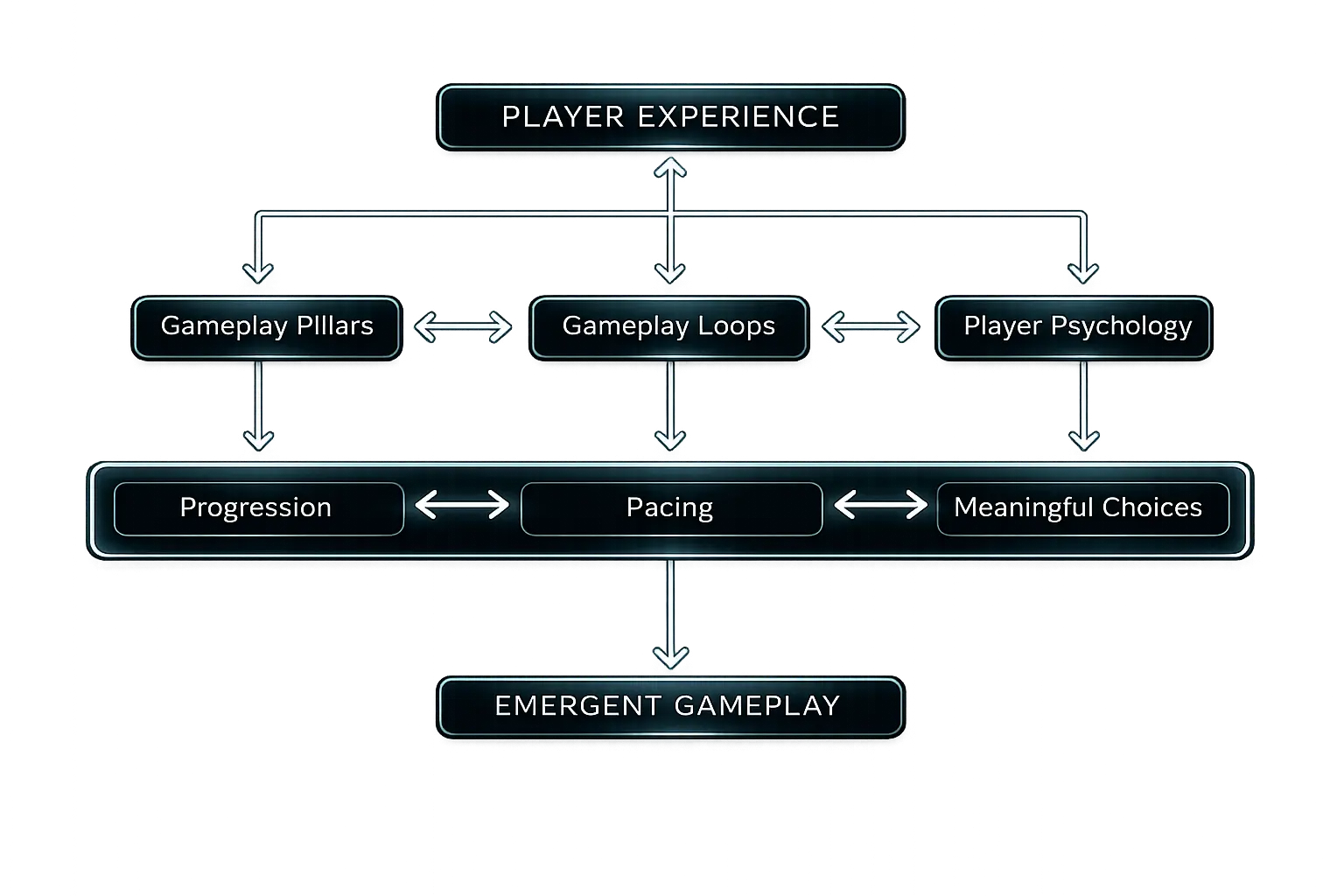
Gameplay Pillars

They define the core player experience and guide every design decision.

Mechanics

Mechanics define what players can do and how they experience the game.

Gameplay Loops

Strong gameplay loops reinforce the core experience through repetition, feedback, and progression.

Progression

It gives every player action a sense of purpose, growth, and forward momentum.

Meaningful Choices

Choices matter when they create meaningful consequences and lasting memories.
Projects
Case Study 01

TRACKED: SHOOT TO SURVIVE

Genre:Action Adventure, Survival
Platform:Oculus Quest 3
Engine:Unity 3D
Release:November 2025
Developer:Incuvo
Publisher:People Can Fly
Overview

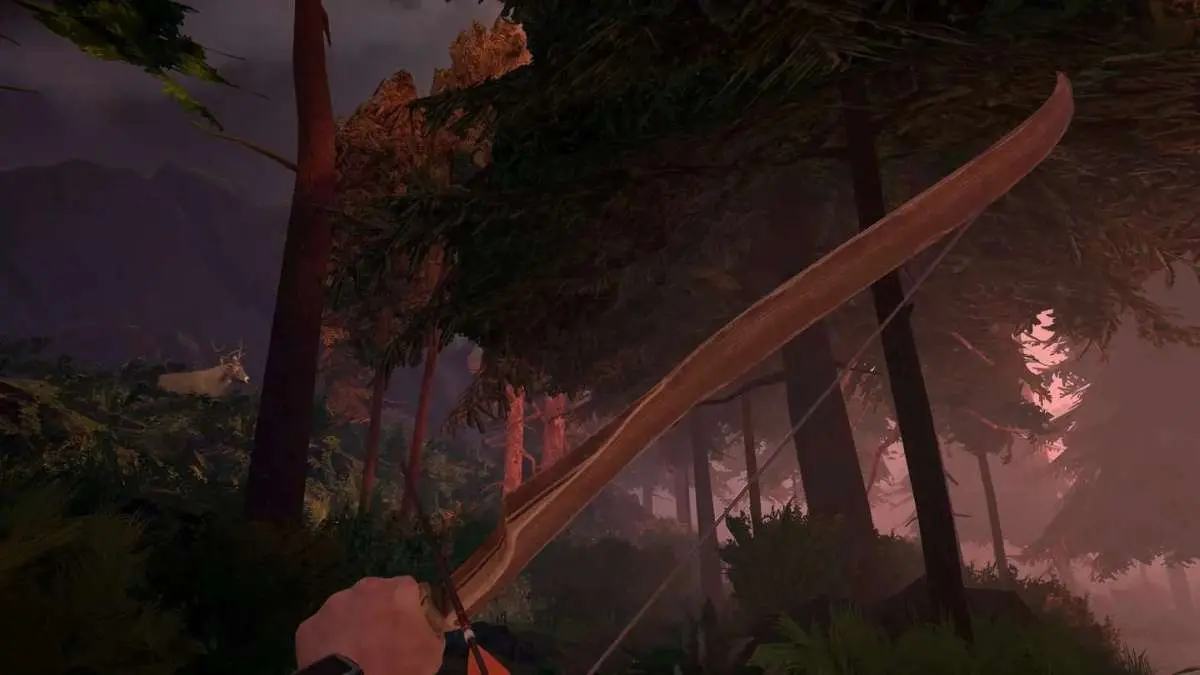
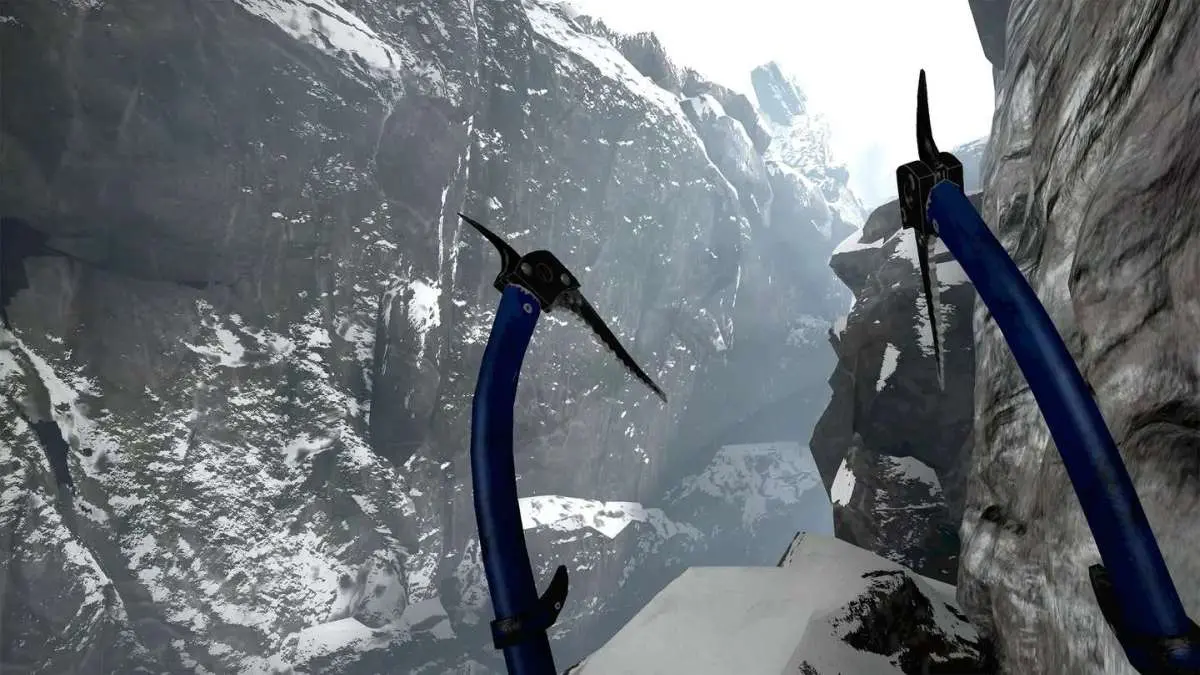
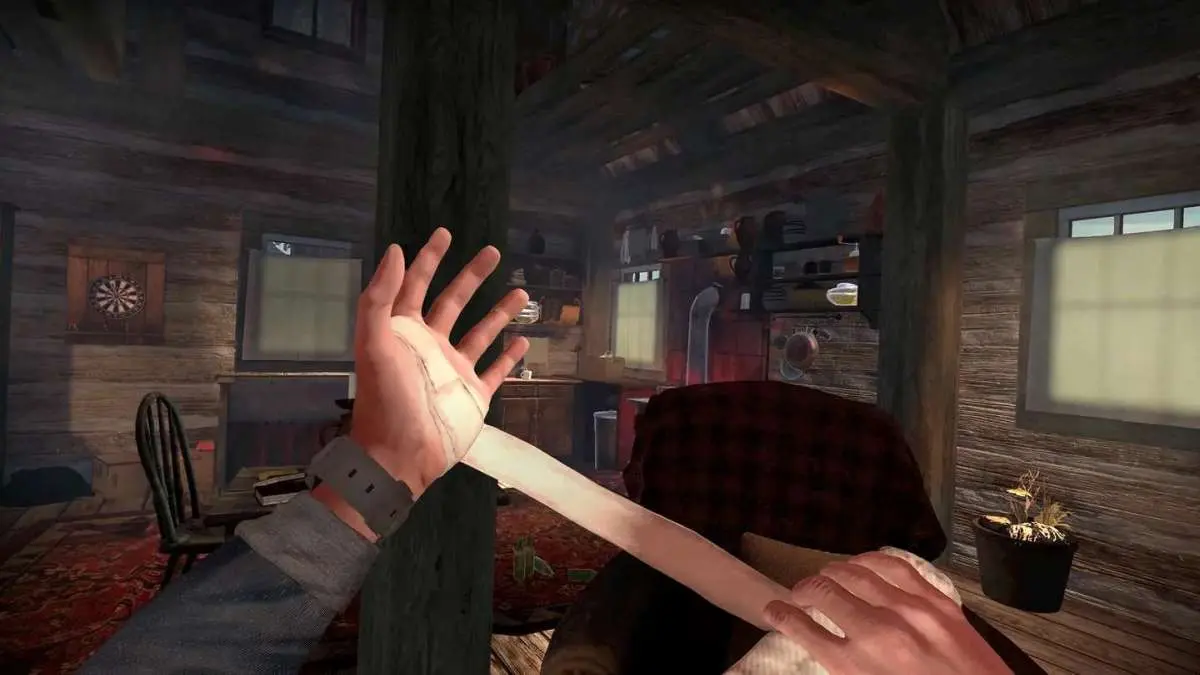
TRACKED: Shoot to Survive is a VR action-adventure game set in the Canadian wilderness. After his plane is attacked by bandits and crashes deep in the wilderness, the protagonist must survive, find his missing sister, and uncover the truth she has been hiding about their late father.

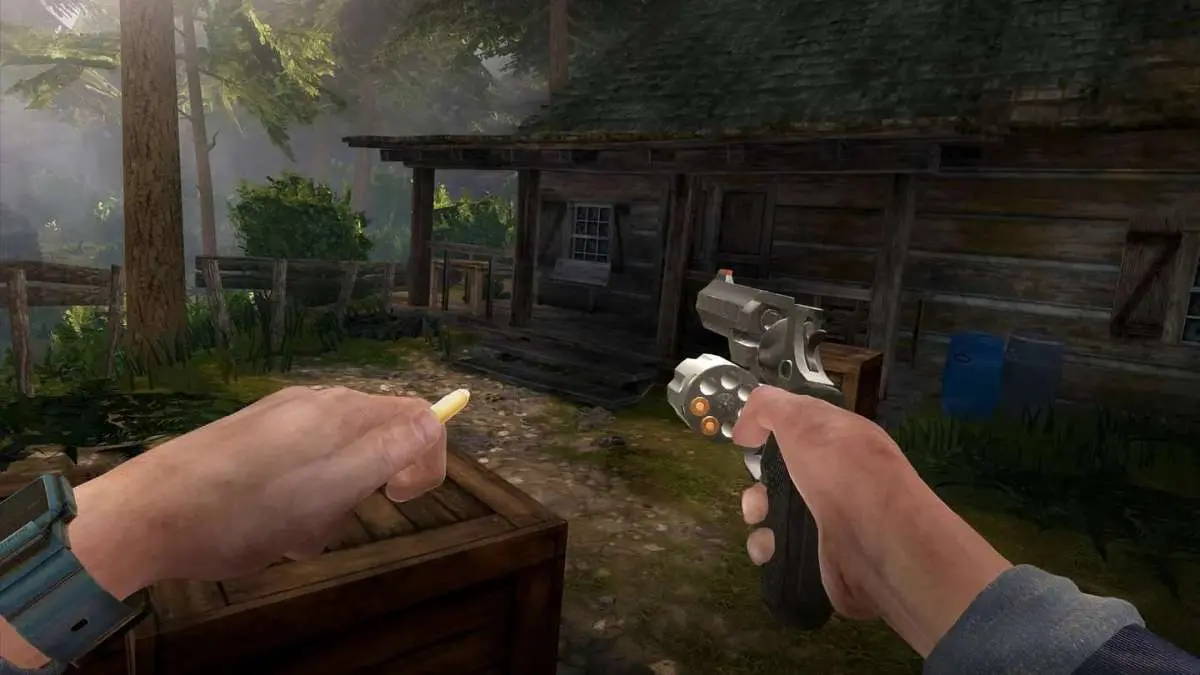
I designed the game's narrative, worldbuilding, crafting systems, and player progression. I was also responsible for the UX design (mockups) of key gameplay features, including survival-related interfaces and the player's journal, ensuring that exploration, storytelling, and gameplay systems worked together as a cohesive experience.

My Role
Game Designer (Systems, Narrative)
  • Game & Narrative Design
  • Systems Design
  • Mechanics Balancing
  • Iterating features with developers
  • UX mockups
Key Contributions
Designed the full game plot, from the opening scene to the emotional midpoint and finale.
Wrote dialogue, notes, and item descriptions to build a coherent world.
Designed combat, AI behavior, and enemy encounter pacing.
Designed crafting mechanics, including recipes and crafting gestures.
Collaborated closely with developers and artists to bring the vision to life.
Gallery
Case Study 02

JET KAVE ADVENTURE

Platform:PC, Nintendo Switch, PS4, PS5, Xbox One, Series X|S
Engine:Unity 3D
Release:September 2019
Developer:7Levels
Overview

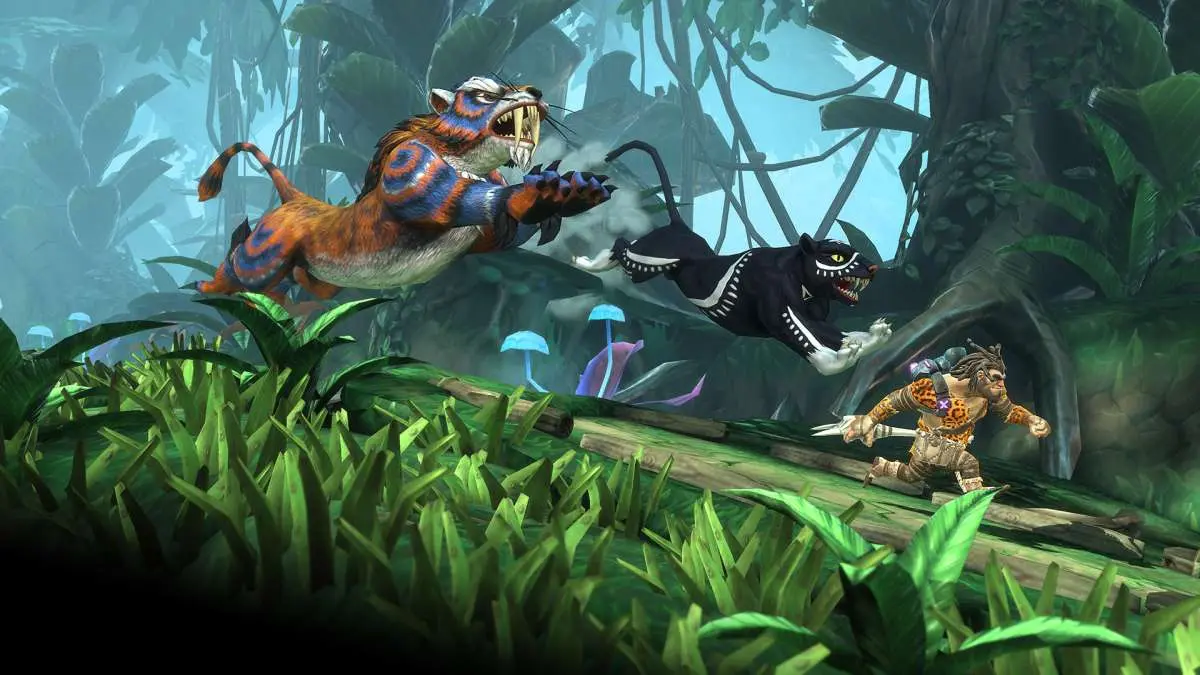
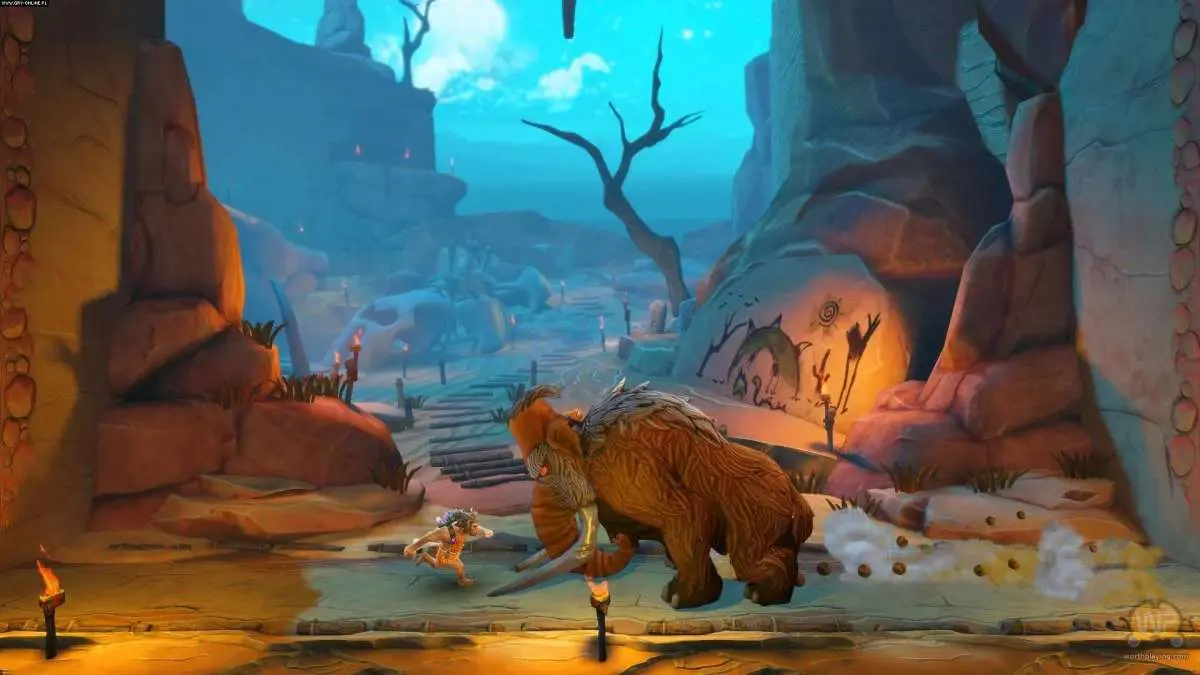
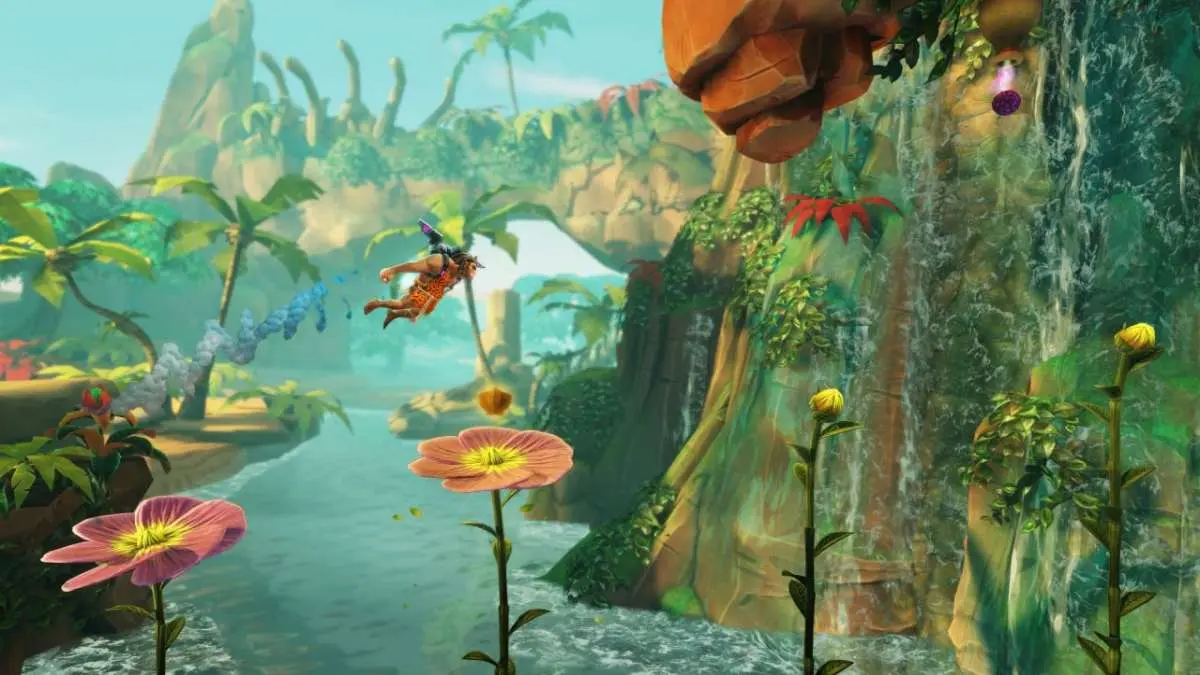
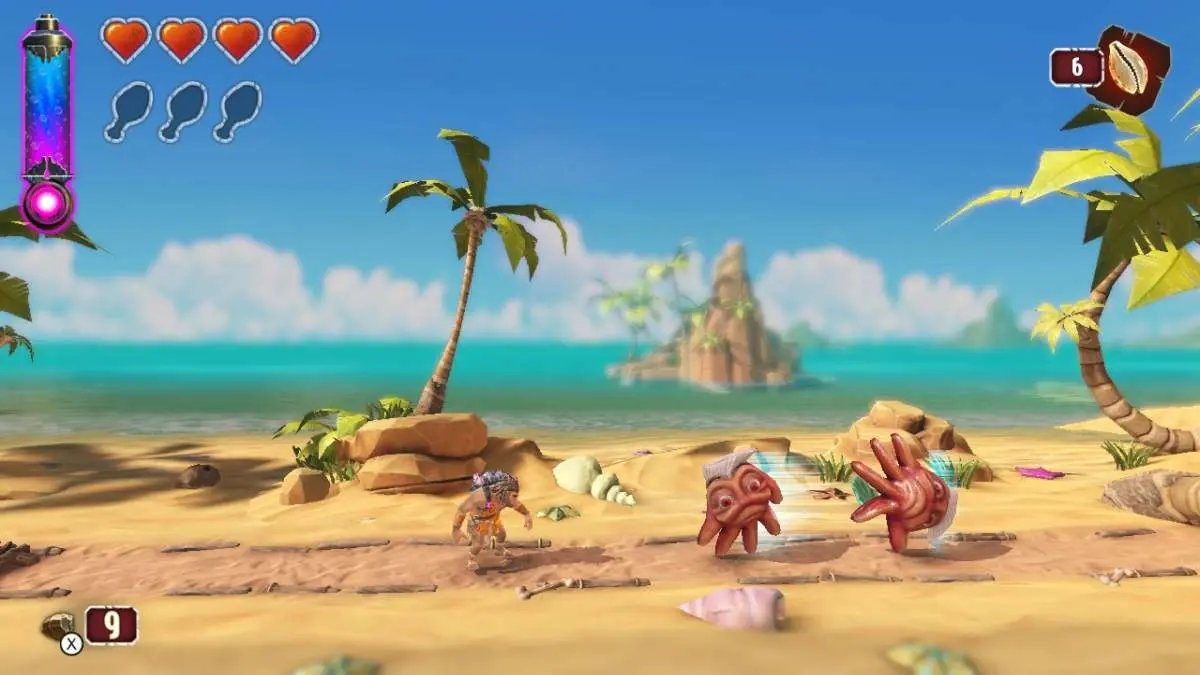
Jet Kave Adventure is a 2.5D action-platformer set in an alternate Stone Age, where a banished tribal chief discovers a futuristic jetpack and embarks on a quest to save his island. Armed with alien technology, Kave must stop an extraterrestrial invader whose plan to trigger a volcanic eruption threatens the entire region. Combining fast-paced platforming, exploration, and combat, the game blends prehistoric themes with science-fiction elements in a light-hearted adventure.

As the sole game designer on the project, I worked as a generalist, responsible for the game's design, mechanics, level design, and overall gameplay experience. I created and maintained design documentation, defined development tasks, implemented gameplay features, developed level prototypes, and balanced gameplay systems in Unity.

I also co-created the game's narrative, worldbuilding, setting, and atmosphere. Additionally, I designed enemy encounters and oversaw their development from early concepts through implementation, ensuring they supported both the gameplay experience and the game's creative vision.

My Role
Game Designer (generalist)
  • Level Designer
  • Gameplay Designer
  • Balancing Difficulty
  • Iterating features with developers
  • Co-creation story and narration
Key Contributions
Designed core gameplay systems, mechanics, and player progression.
Created level layouts, gameplay prototypes, and level mock-ups.
Authored and maintained game design documentation and development tasks.
Implemented and balanced gameplay features and mechanics in Unity.
Co-created the game's story, worldbuilding, setting, and atmosphere.
Designed enemy archetypes and supervised their implementation from concept to final in-game integration.
Gallery
Case Study 03

CASTLE OF HEART

Genre:Action Platformer
Platform:Nintendo Switch
Engine:Unity 3D
Release:March 2018
Developer:7Levels
Overview

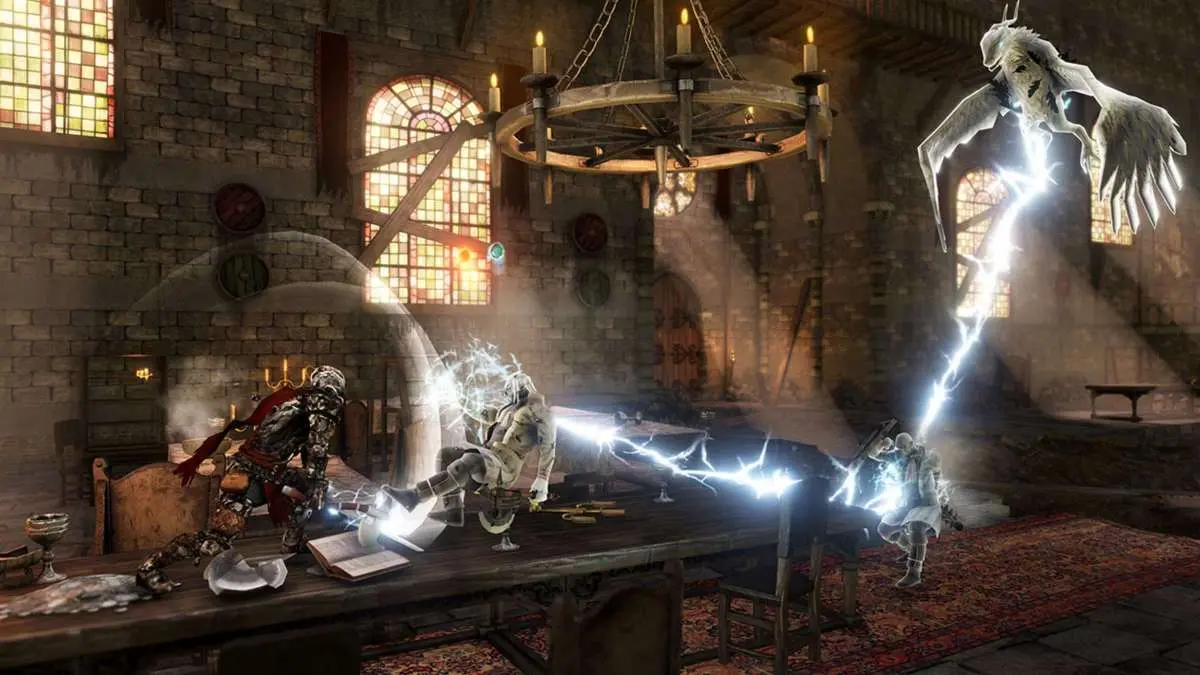
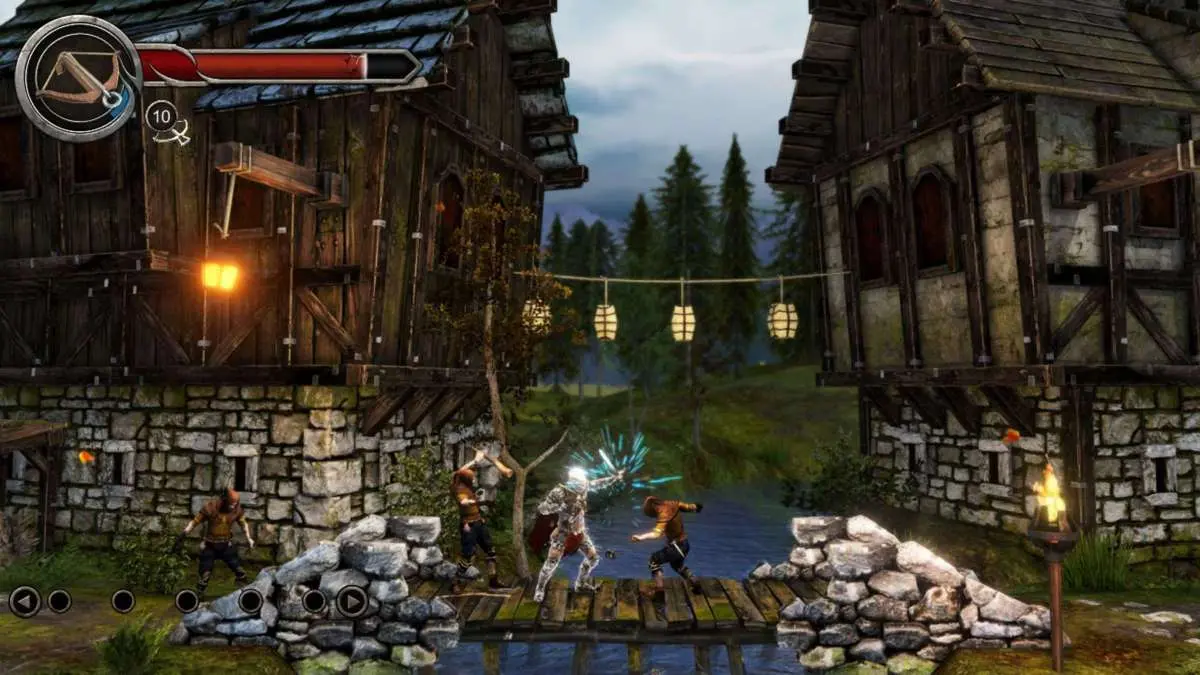
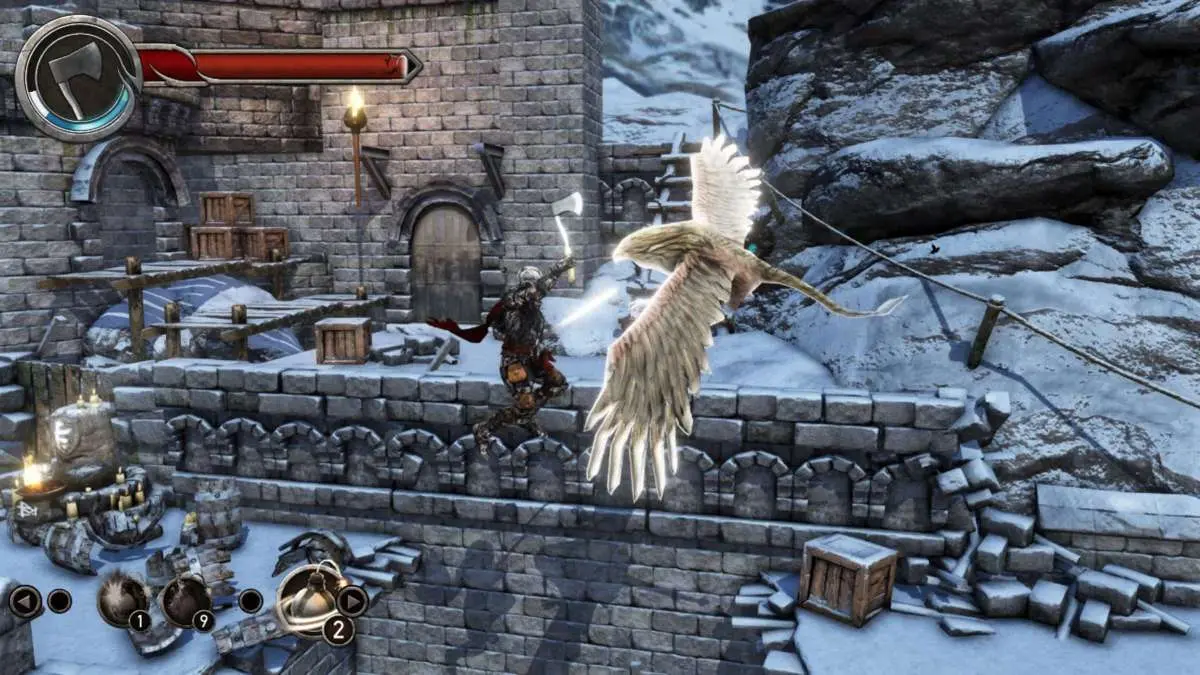
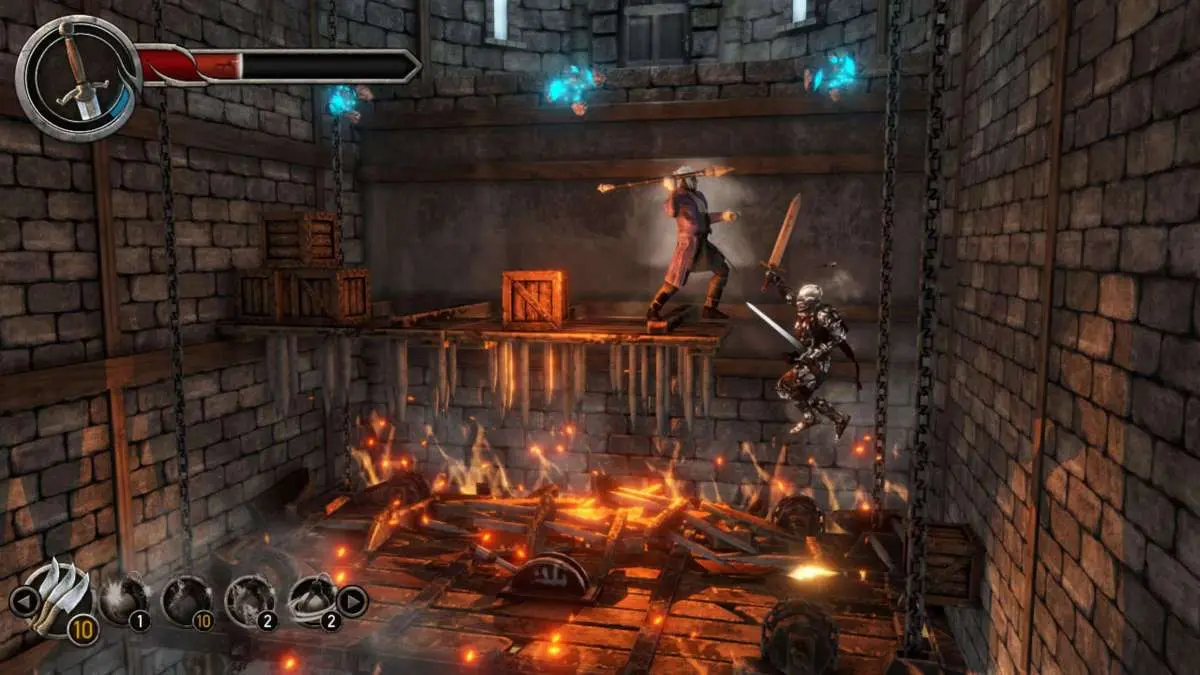
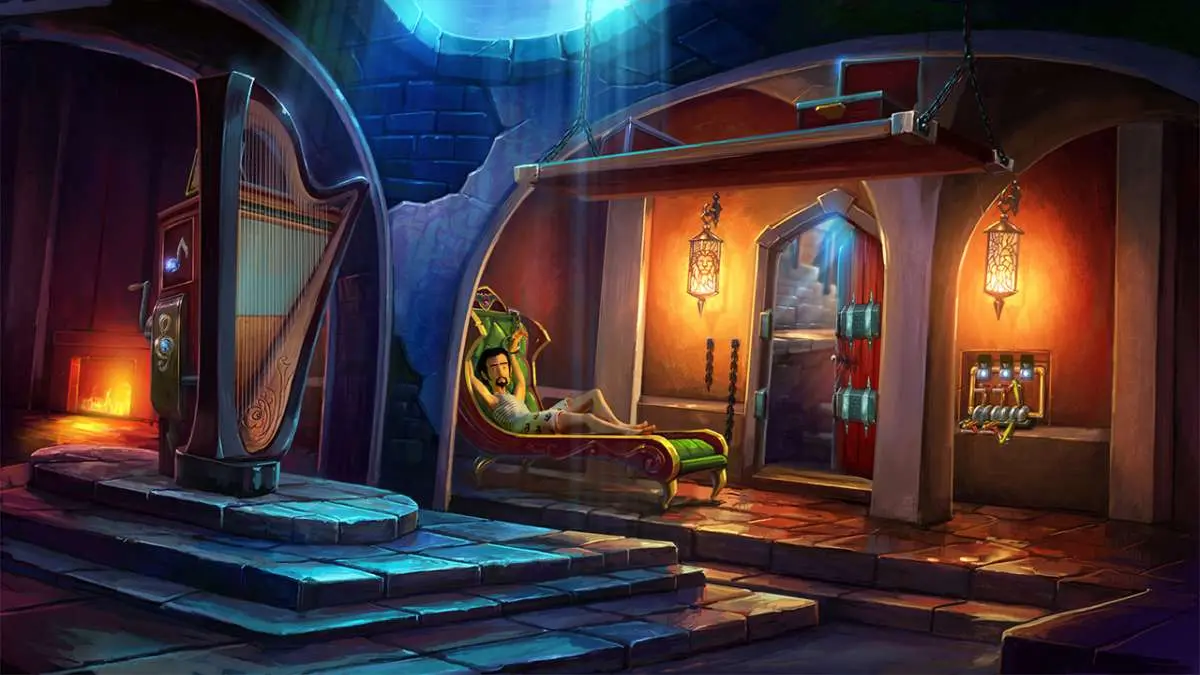
Castle of Heart is a dark fantasy side-scrolling action platformer developed for Nintendo Switch. Players take on the role of a cursed knight who embarks on a perilous journey to defeat an evil sorcerer and save his beloved, while struggling against a deadly petrification curse. Featuring challenging combat, diverse weapons, and dozens of handcrafted levels inspired by Slavic mythology, the game adds a unique twist to the classic 2D platforming formula. As the knight gradually turns to stone, players must constantly defeat enemies to maintain their strength, creating a tense and dynamic gameplay experience.

As a game designer generalist, I worked on the project from the initial idea to the release of the game on Nintendo Switch. In the team, I was responsible for the creative part: designing the mechanics, gameplay, levels, setting and plot. I checked and approved every asset in the game. Despite a mixed reception from critics, the game gained a loyal following and sold over 300,000 copies.
My Role
Game Designer (generalist)
  • Level Designer
  • Gameplay Designer
  • Balancing Difficulty
  • Iterating features with developers
  • Co-creation story and narration
Key Contributions
Designed core gameplay mechanics and combat systems.
Created levels, gameplay flow, and progression systems.
Co-created the game's narrative, setting, and world-building.
Defined and maintained the overall creative vision of the project.
Reviewed and approved in-game assets for quality and consistency.
Collaborated across disciplines throughout the entire development cycle.
Player Reviews
What players said on Metacritic.
10/10

"I am very impressed. Other than just a couple things it's almost a perfect platforming game. The mechanics are smooth and it has tons of good ideas built into it."

M
Matthew257Metacritic
9/10

"Finished the game with all the gems in every level. It's fun and challenging. Some parts you have to be patient and start over. But besides that it's lots of enjoyment."

J
JAG7Metacritic
8/10

"I found out for myself that the tackily titled game is just great. It's got that hack 'n' slash feel of the first God of War on PS(P). Fantastic gameplay, suggestive graphics."

M
MartianheadMetacritic
Case Study 04

ZOO SIMULATOR

Genre:Simulator
Platform:PC (Steam), Xbox Series X|S
Engine:Unity 3D
Release:July 2024
Developer:4Experience
Publisher:Games Incubator, PlayWay S.A.
Overview

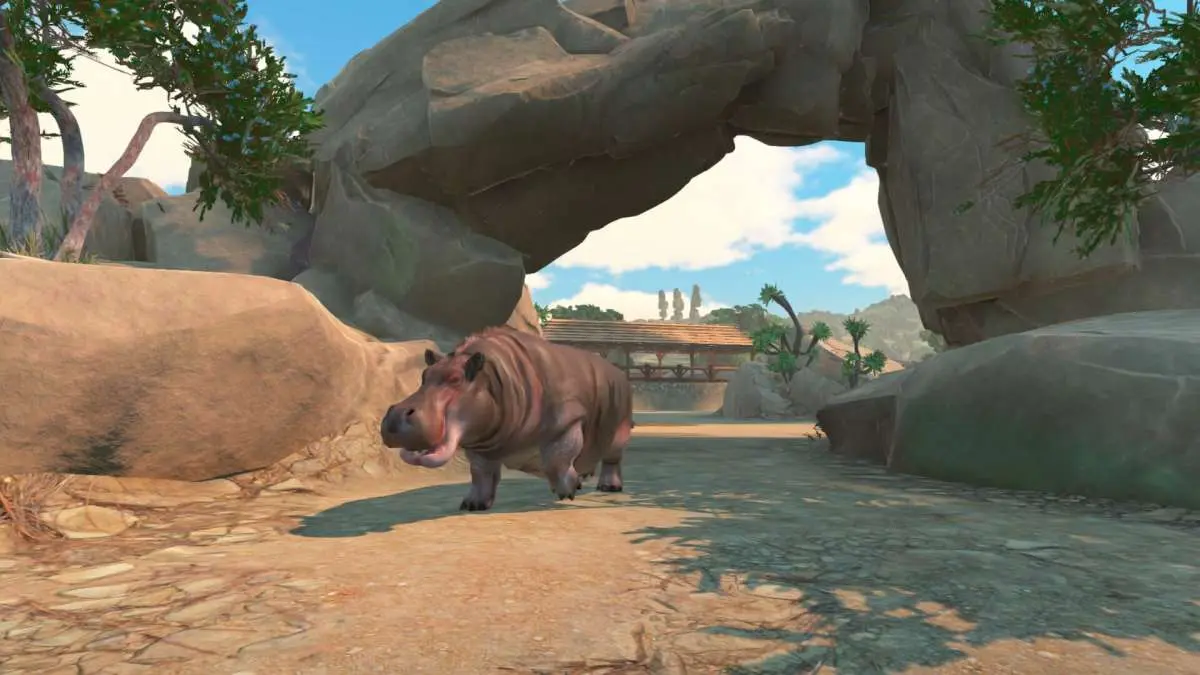
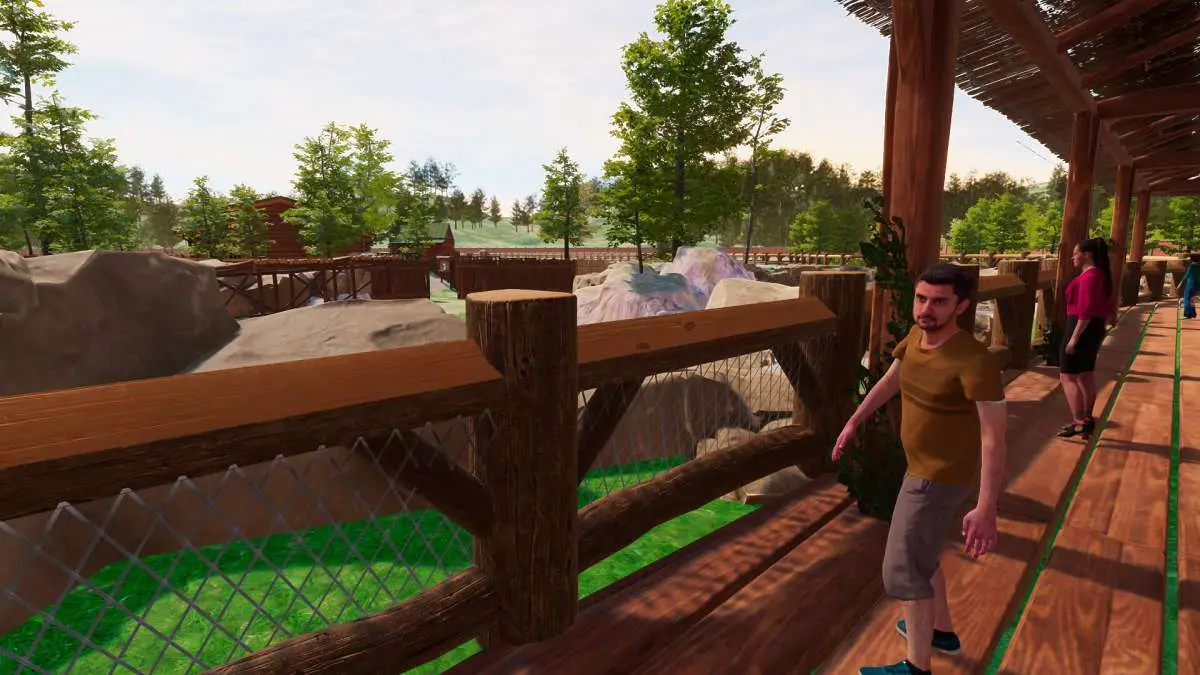
Zoo Simulator is a first-person management and simulation game where players restore, build, and manage their own zoo. Starting with a neglected facility, players clean and renovate enclosures, create habitats for a wide variety of animals, and ensure their well-being through proper care and enrichment.

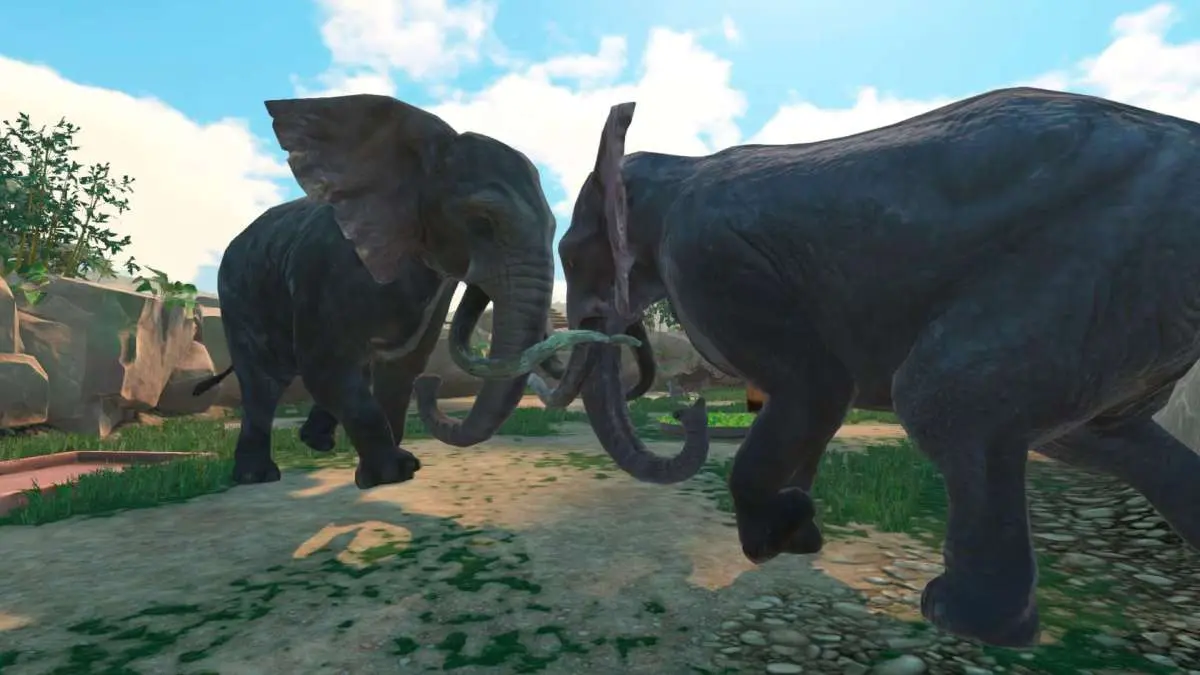
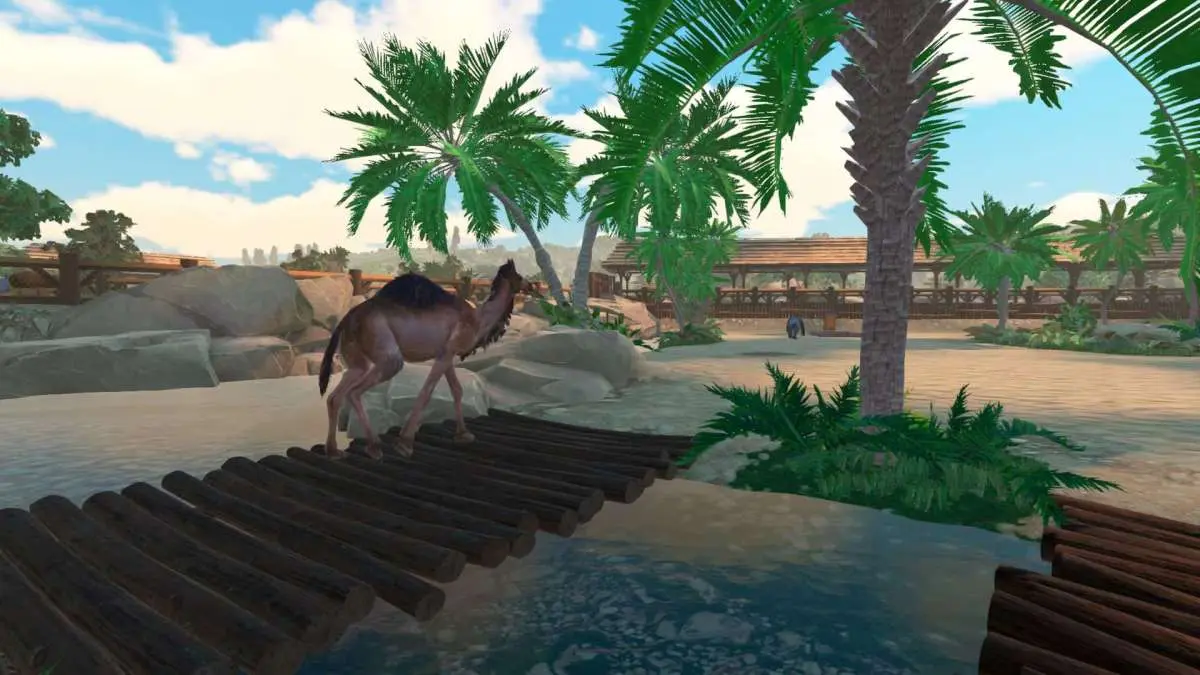
As the zoo grows, players can acquire new species from around the world, customize exhibits, and expand visitor attractions to increase popularity and revenue. Combining hands-on renovation, animal care, and business management, Zoo Simulator challenges players to transform a run-down zoo into a thriving destination loved by both animals and guests.

During the early stages of Zoo Simulator, I was responsible for defining the project's creative vision and overall design direction. I created game design documentation, established the core design pillars and gameplay loops, and managed the design team. I was responsible for planning design tasks and overseeing their execution. Additionally, I balanced and parameterized gameplay mechanics directly in Unity.

My Role
Game Director / Lead Game Designer
  • Game Director
  • Lead Game Designer
Key Contributions
Defined the game's creative vision, design pillars, and core gameplay loops.
Led the design team and coordinated feature development.
Created and maintained game design documentation.
Managed design task planning, execution, and quality control.
Tuned and balanced gameplay systems using Unity.
Collaborated cross-functionally to ensure a cohesive player experience.
Oversaw the project's design direction in the initial stages of the project.
Case Study 05

MISSION ONE

Genre:VR Training, Simulator
Platform:Oculus Quest 2
Engine:Unity 3D
Release:2023
Developer:4Experience
Overview

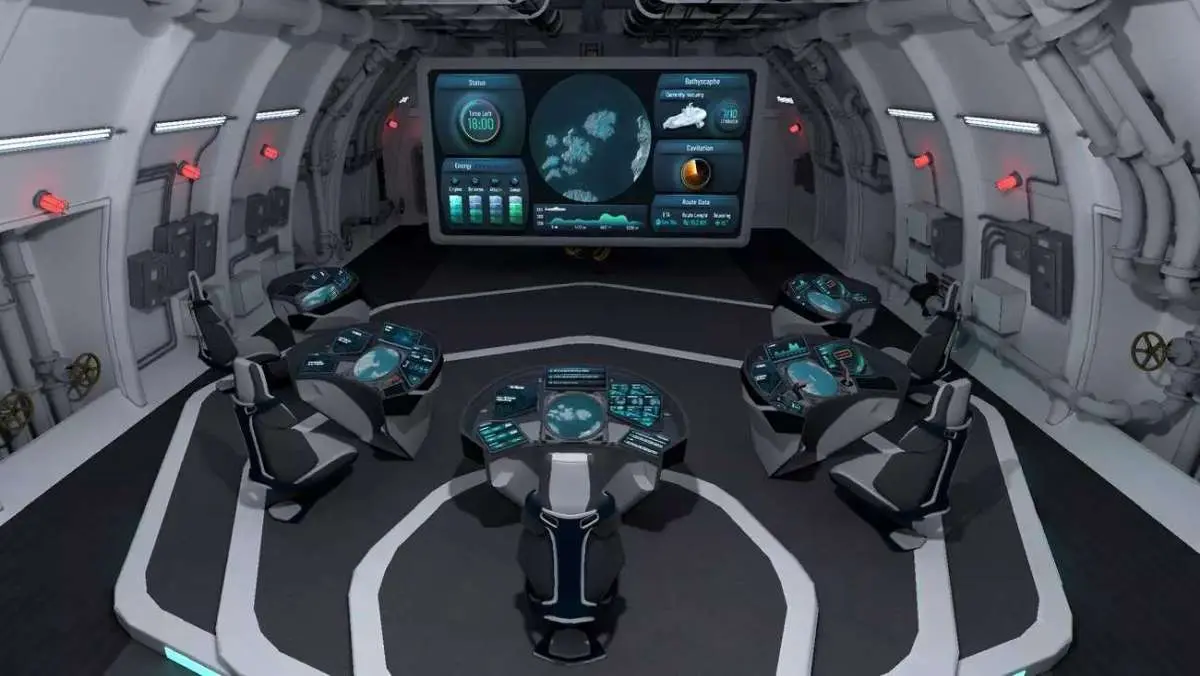
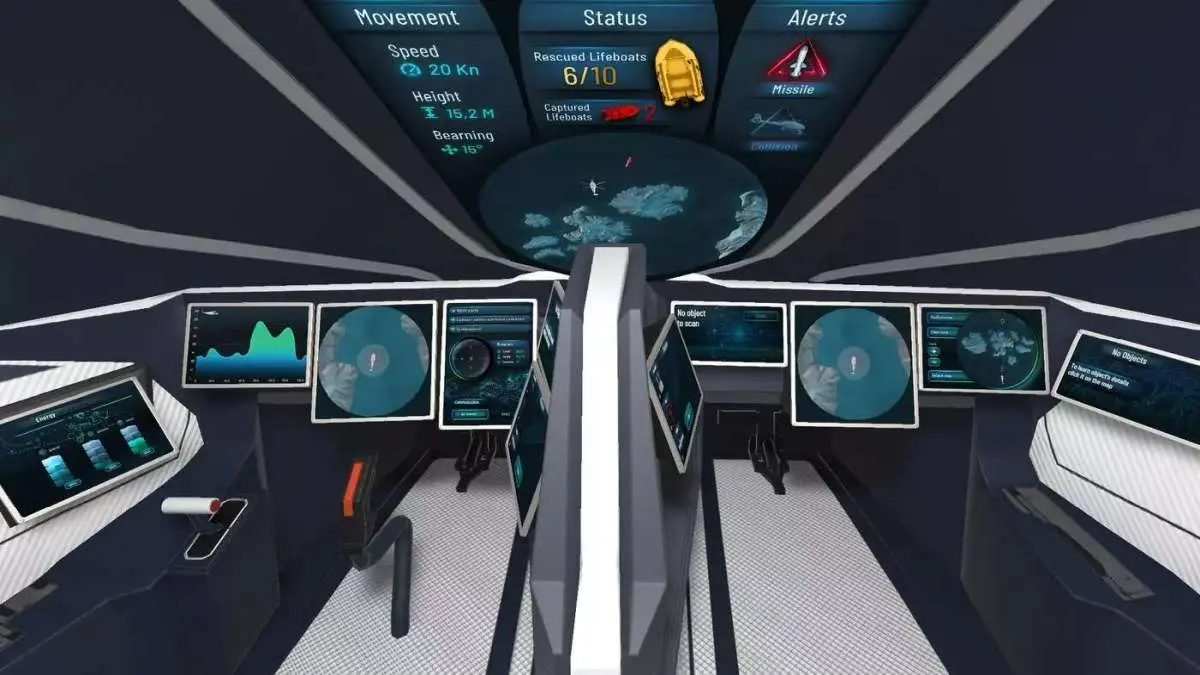
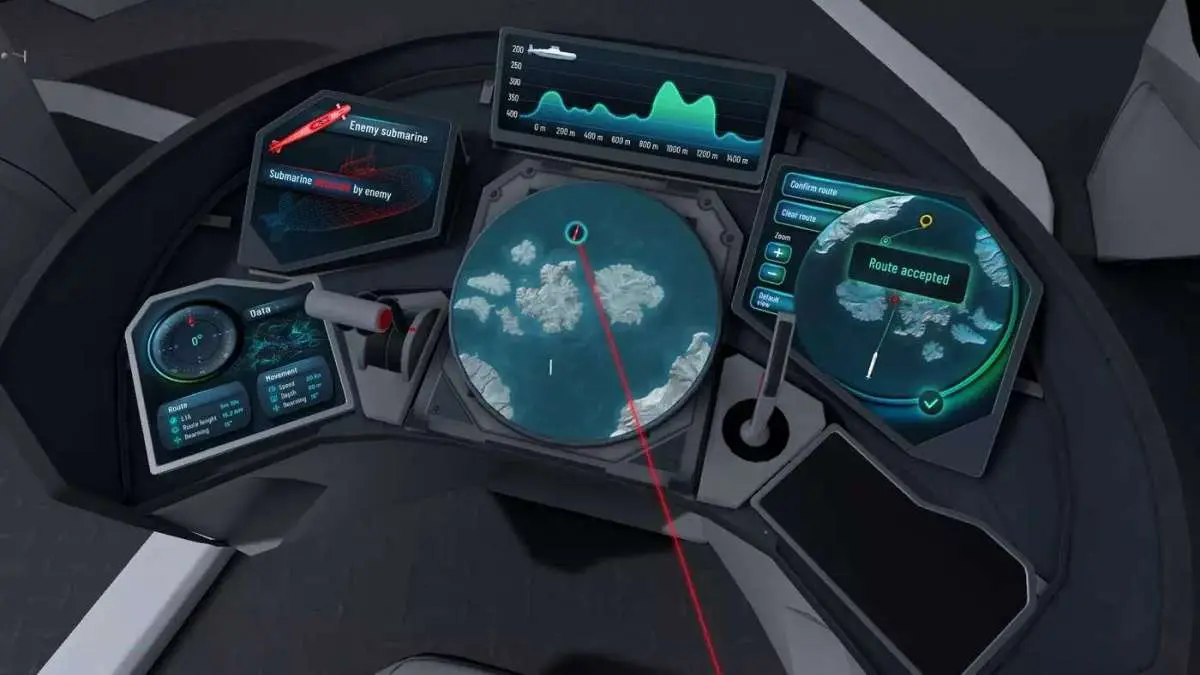
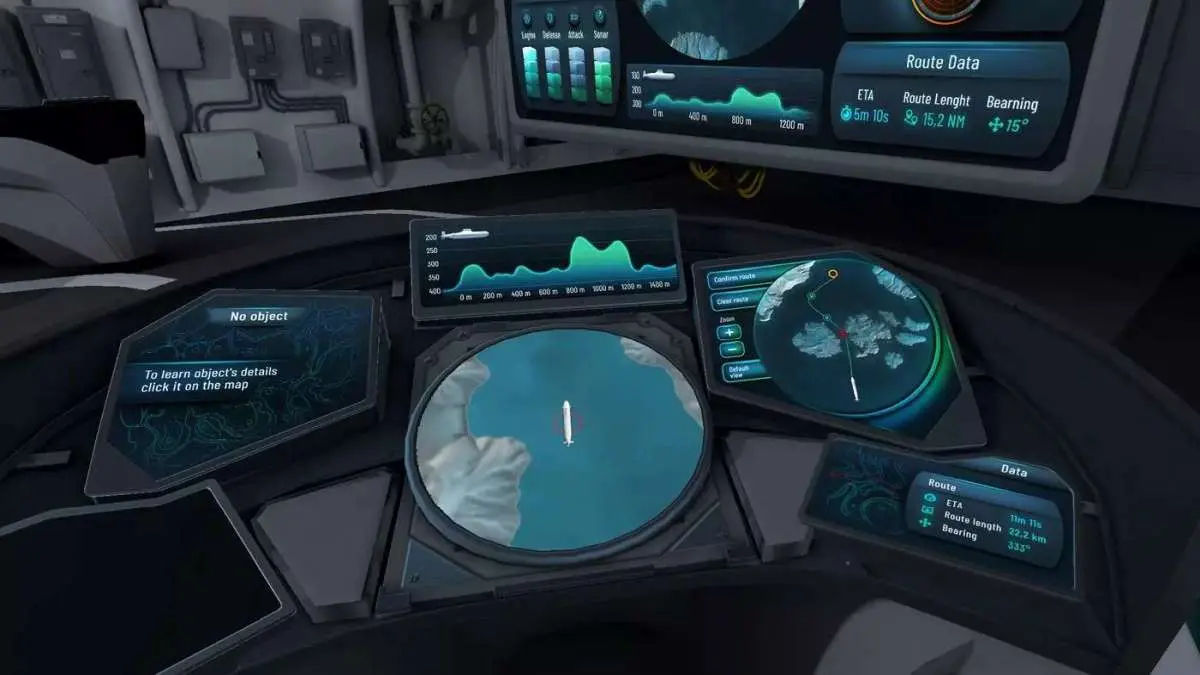
Mission One is a VR training application (Oculus Quest 2) designed to develop soft skills in teams. Participants take on the role of a submarine and helicopter crew. Each has a different role in the asymmetric gameplay, without knowing the skills of the other participants. By communicating with each other, the players must achieve various goals, such as rescuing survivors or collecting technology.

In this project I was responsible for the gameplay in Unity 3D, defining tasks for the team and working closely with the client. The application has been successfully used in business for training and coaching.

My Role
Product Owner / Game Designer
  • Product Owner
  • Game Designer
  • Level Designer
Key Contributions
Designed and balanced gameplay systems in Unity.
Developed asymmetric multiplayer mechanics focused on communication and teamwork.
Created role-based mission scenarios supporting soft skills development.
Coordinated development tasks and team execution.
Worked closely with the client to translate training goals into engaging gameplay experiences.
Case Study 06

STAR HEROES

Genre:Space Shooter
Platform:PC
Engine:Unity 3D
Release:2023
Developer:4Experience
Overview

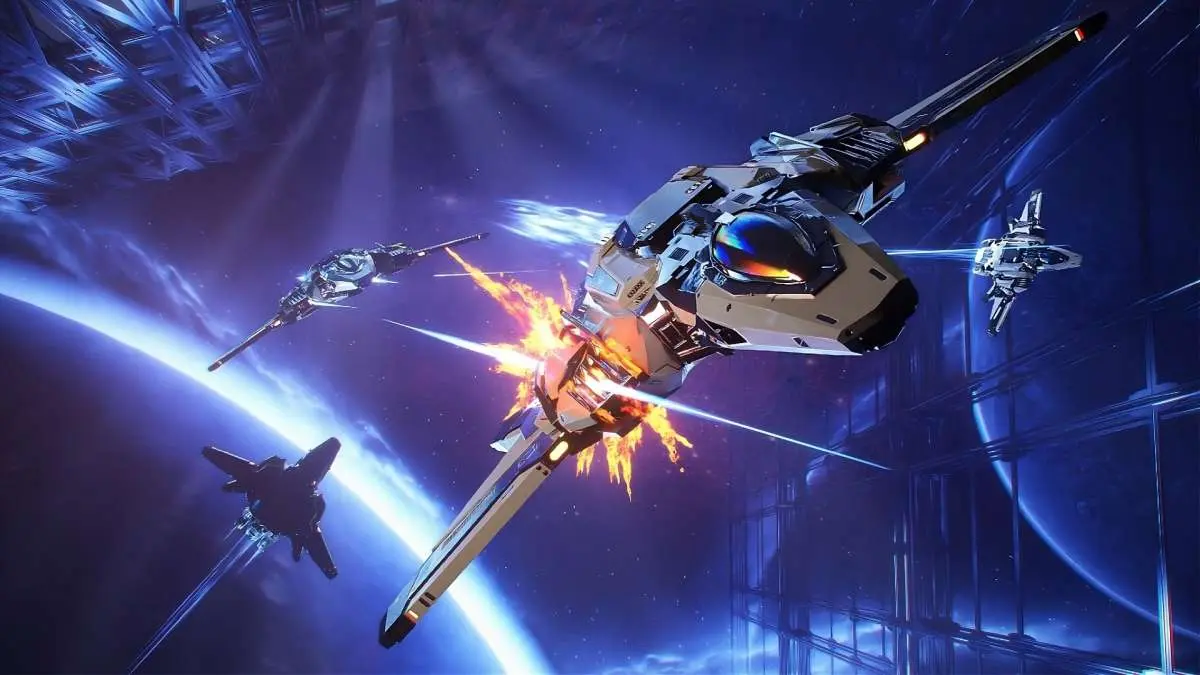
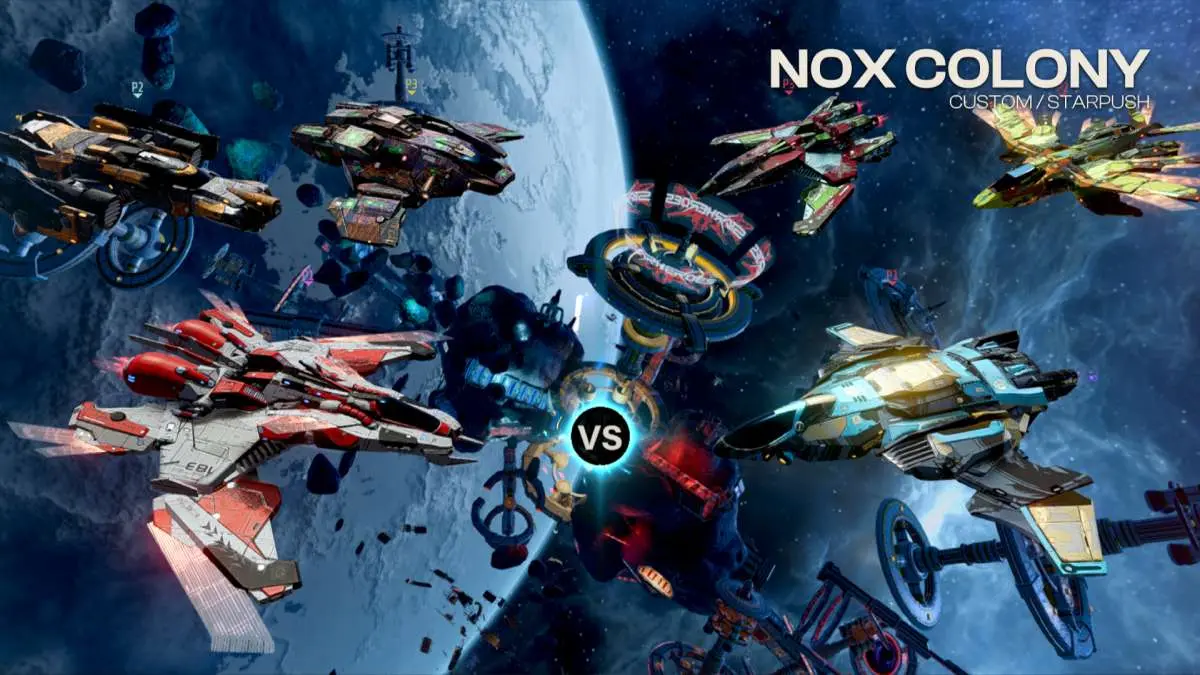
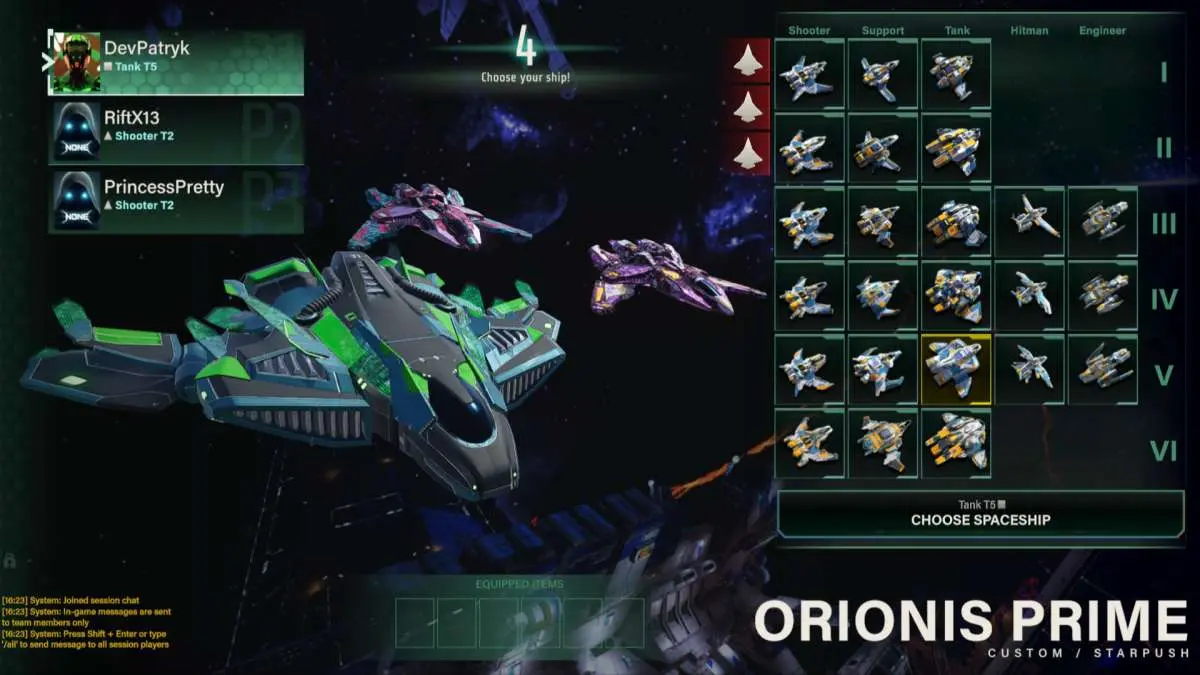
StarHeroes is a competitive multiplayer space shooter designed around fast-paced 3v3 battles that combine precision shooting, advanced piloting, and team-based strategy. Players take control of customizable spacecraft across a variety of specialized classes, each offering unique abilities and tactical roles on the battlefield.

The game features multiple competitive modes, including objective-driven matches and intense team deathmatches, where coordination and quick decision-making are essential for victory. Set across strategically designed maps filled with environmental hazards, shortcuts, and tactical opportunities, StarHeroes challenges players to master both combat and movement in a skill-focused esports experience.

During the early stages of the project, I led a team of three game designers. I was responsible for defining the team's scope of work, assigning and reviewing design tasks, and providing both technical and design support. I contributed to the implementation and tuning of gameplay systems and mechanics in Unity. In close collaboration with the client, I also defined design requirements and ensured that the project's gameplay vision aligned with business objectives.


My Role
Lead Game Designer
  • Lead Game Designer
Key Contributions
Led a team of three game designers.
Defined design requirements, scope, and team priorities.
Assigned and reviewed design tasks while providing technical and design mentorship.
Collaborated with the client to align gameplay vision with business objectives.
Oversaw the successful execution of gameplay features during early development.
Case Study 07

FIRE & FLAMES

Genre:VR Training
Platform:PC
Engine:Unity 3D
Release:2024
Developer:4Experience
Overview

Fire & Flames is a VR training platform designed for firefighters and emergency response teams, providing realistic simulations of fire suppression, first aid, hazardous material incidents, and evacuation procedures. By recreating high-risk scenarios in a safe virtual environment, the system enables trainees to practice critical emergency procedures without the costs, risks, or logistical challenges of traditional field exercises.

The platform features advanced fire and smoke simulation, immersive training scenarios, and detailed After Action Review (AAR) tools that allow teams to replay exercises, analyze decisions, and improve performance. Used by professional organizations, the solution helps increase training effectiveness, improve knowledge retention, and prepare responders for real-world emergencies.

In the project, I was responsible for designing a complex fire physics system based on the principles of thermodynamics. The system includes mechanisms for heat transfer between cells and objects, ignition, glow, combustion, fire and smoke emission, as well as reactions to water and cooling. This is unique on the market (I am not aware of a similar system).

I was also responsible for reviewing the work of other designers, creating documentation and providing ongoing support to the team during the project.

My Role
Lead Game Designer / System Designer
  • Lead Game Designer
  • System Designer (fire physics)
Key Contributions
Designed a proprietary thermodynamics-based fire simulation system.
Created mechanics for heat transfer, ignition, combustion, smoke propagation, and fire suppression.
Authored technical documentation for complex simulation systems.
Reviewed design deliverables and supported other designers throughout development.
Collaborated with the team to deliver realistic VR training scenarios for emergency responders.
Case Study 08

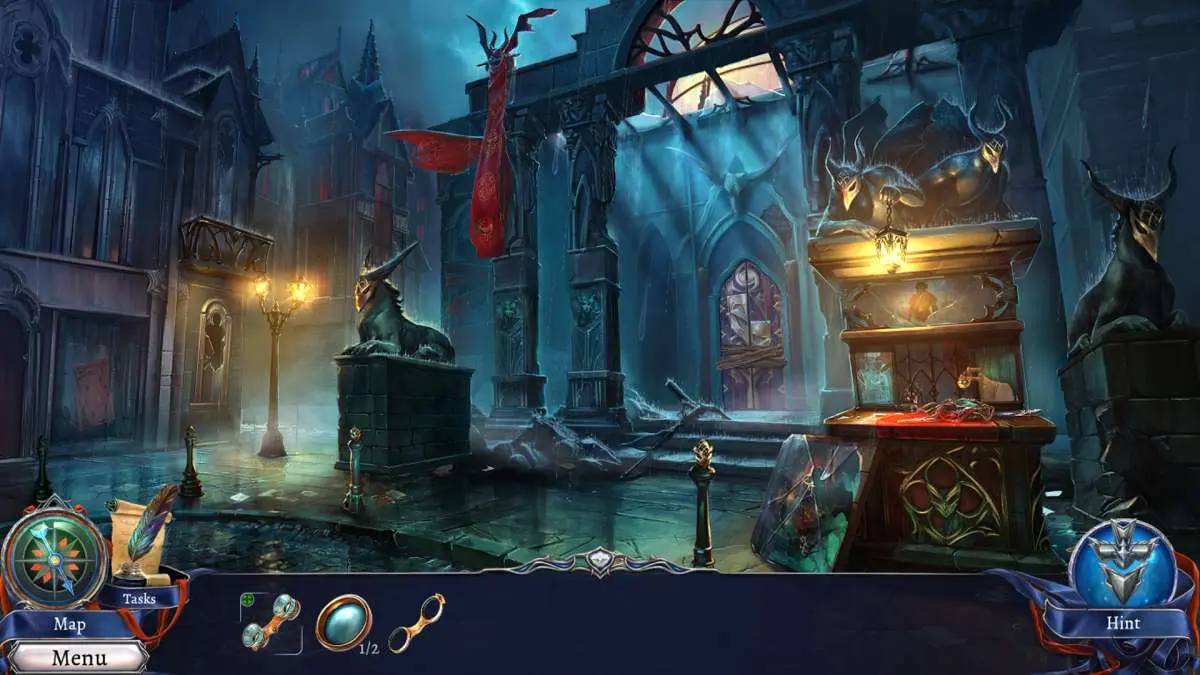
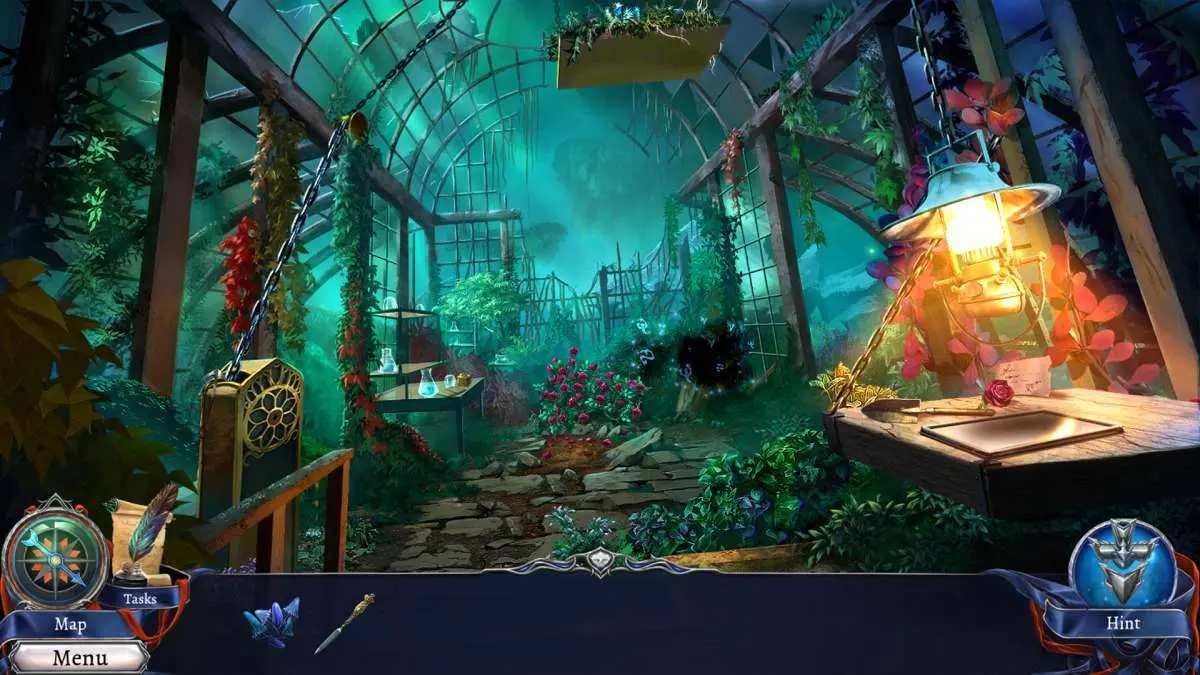
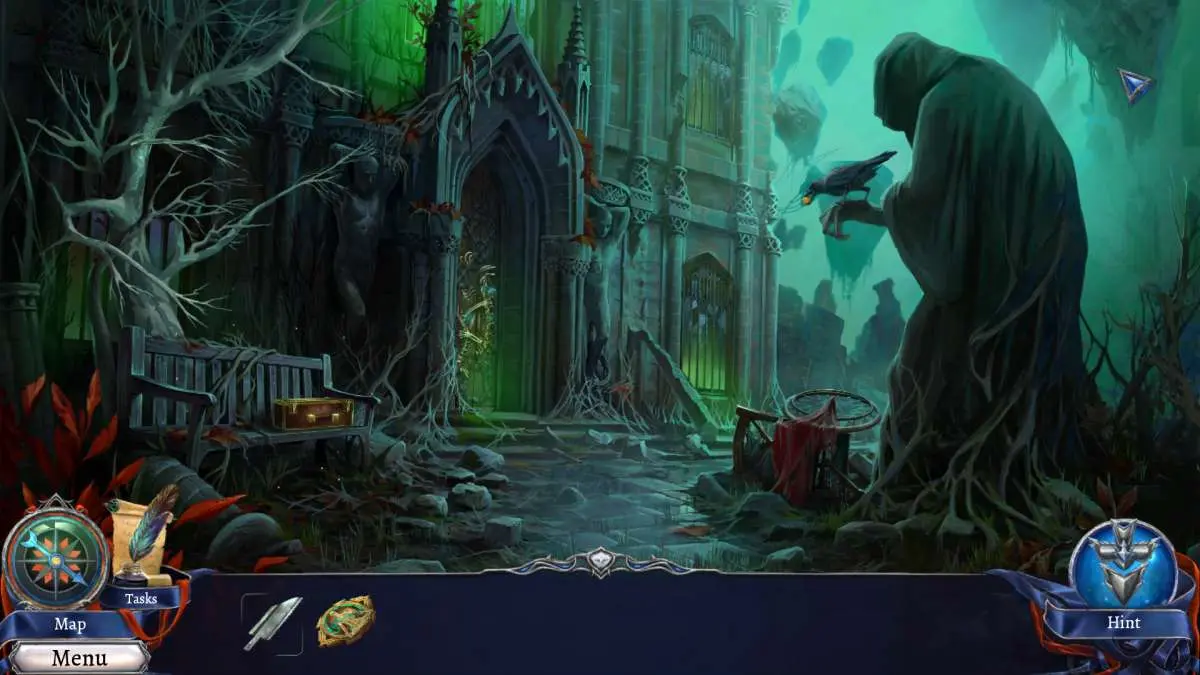
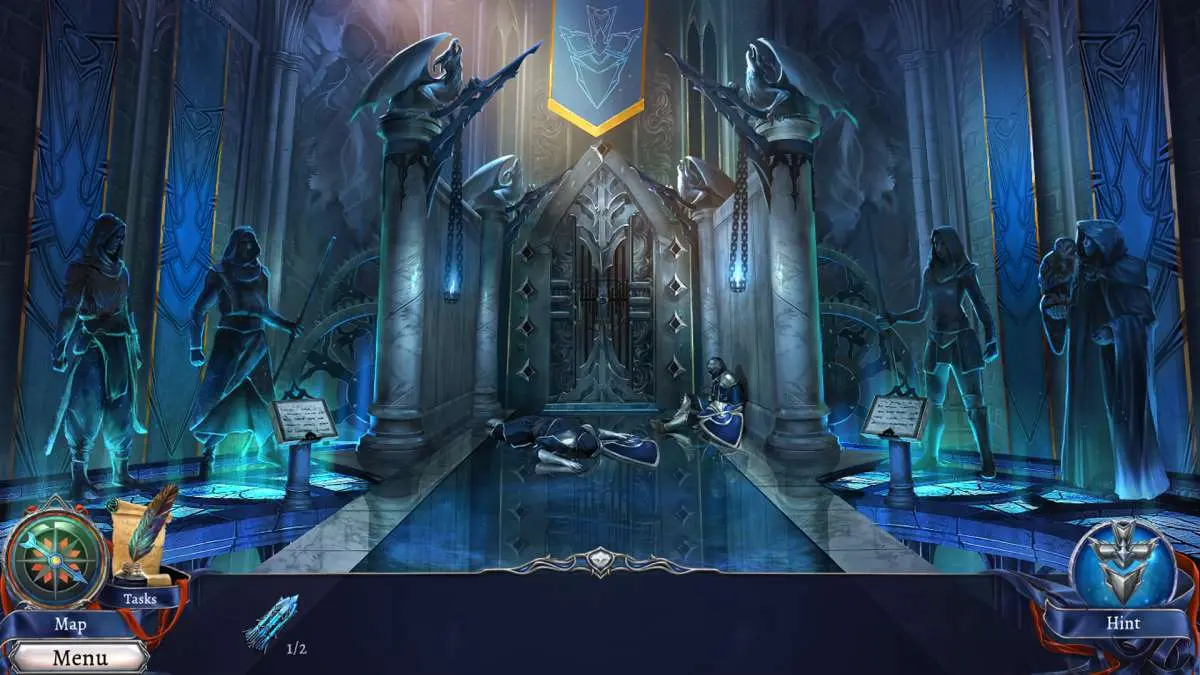
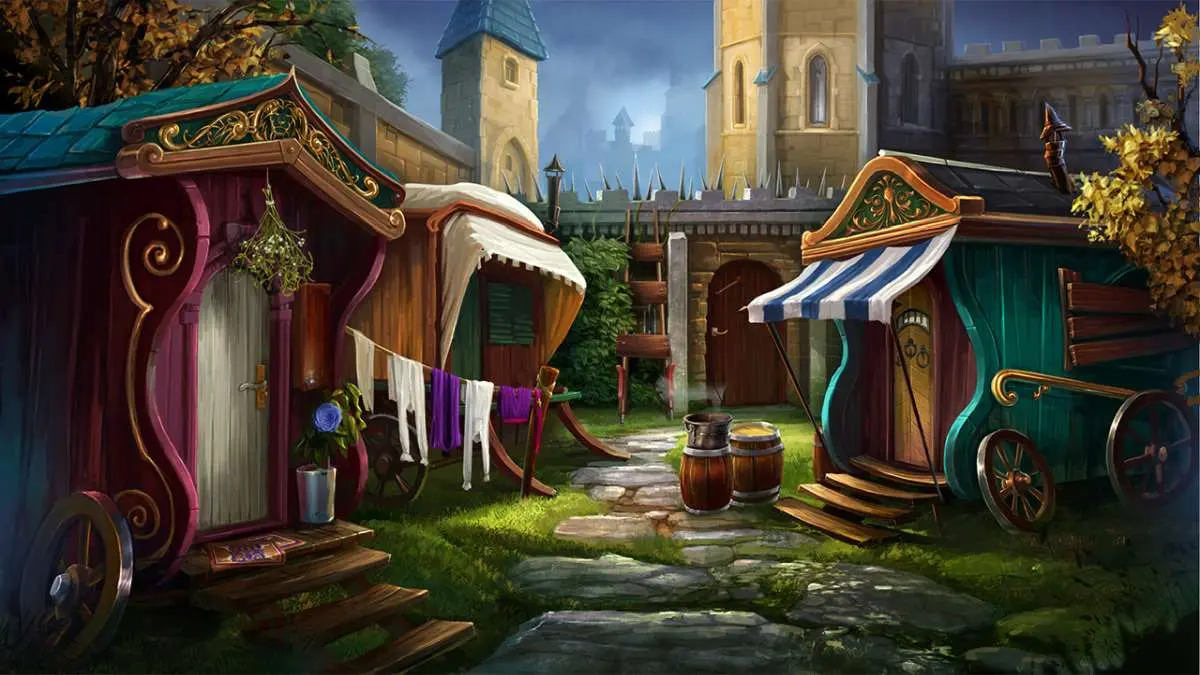
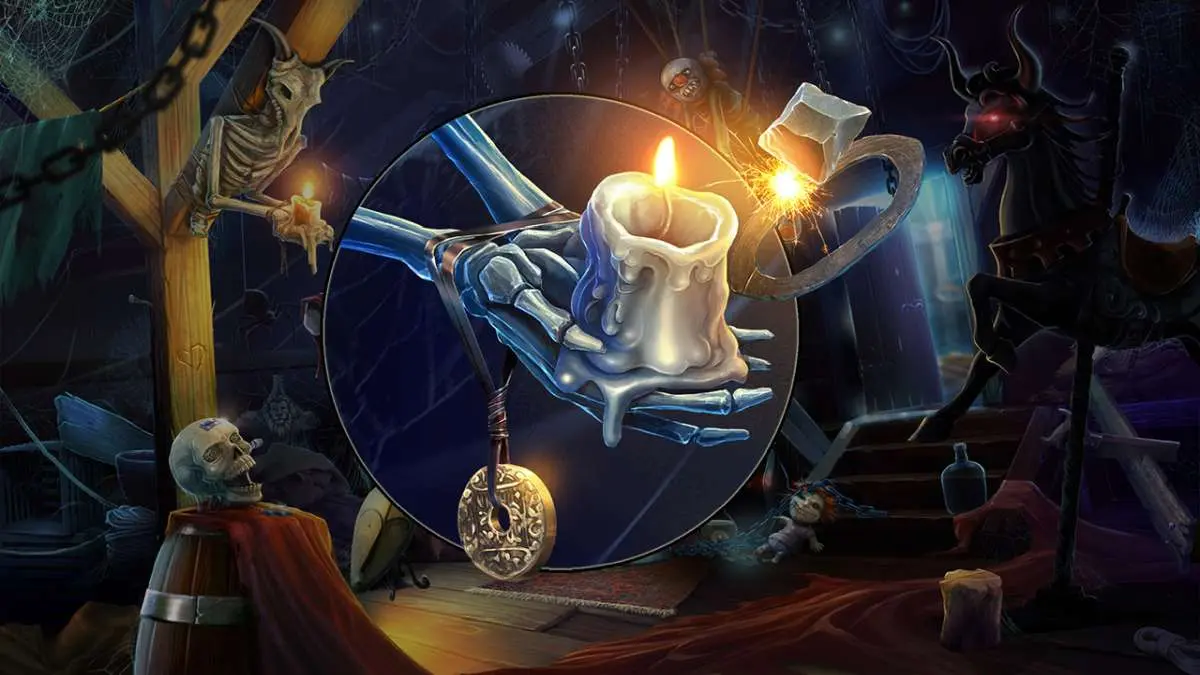
GRIM LEGENDS 3: DARK CITY

Genre:Puzzle Adventure, HOPA
Platform:Android, iOS, PC Windows, consoles
Engine:In-house engine
Release:2016
Developer:Artifex Mundi
Overview

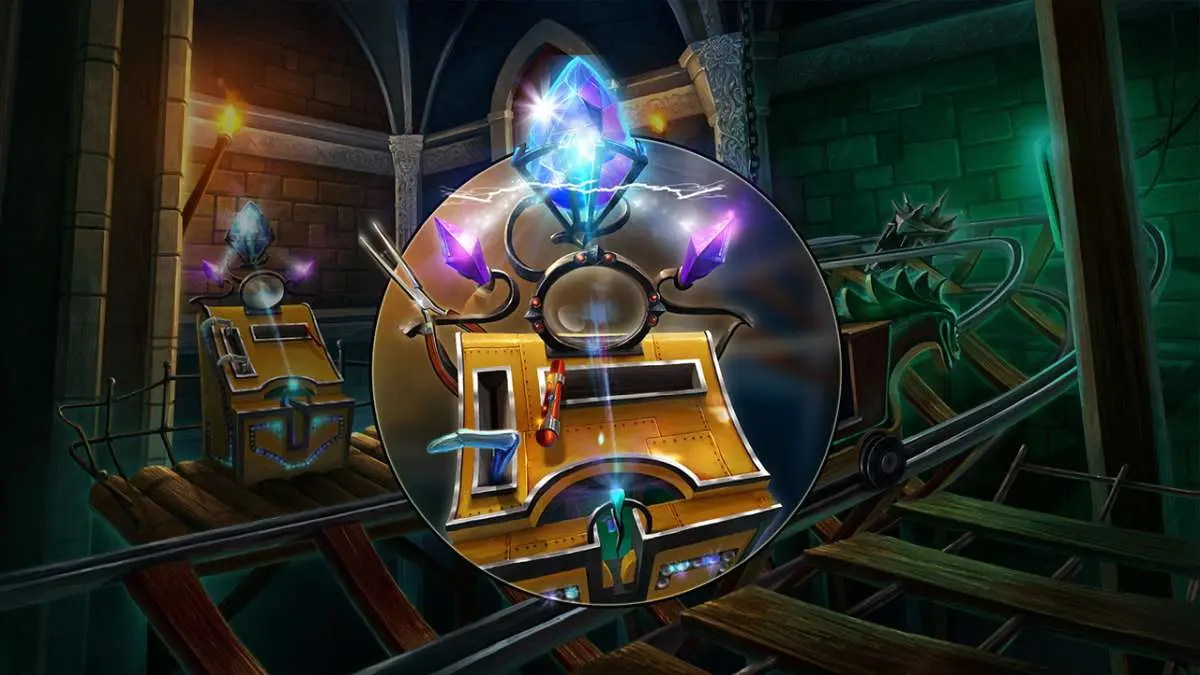
Grim Legends 3: Dark City is a hidden object adventure game set in a mysterious gothic city filled with supernatural threats, dark secrets, and intricate puzzles. Players follow Sylvia, an apprentice monster hunter who has lost her memory, as she investigates the theft of the powerful Incarceri Stone – an artifact imprisoning a malevolent being known as Koshmaar. Through exploration, hidden object scenes, and puzzle-solving across 36 hand-painted locations, players uncover the truth behind Sylvia's past while racing to prevent a catastrophe that could doom the city of Lichtenheim.

As a Level Designer, I was responsible for building and setting up gameplay locations, placing interactive elements, and configuring progression using the studio's proprietary game engine. I implemented minigames, collaborated closely with artists to define requirements, and worked with developers to report issues, refine gameplay solutions, and ensure smooth implementation of game features.

My Role
Level Designer
  • Level Designer
  • Iterating Gameplay
Key Contributions
Set up gameplay locations across the entire game.
Placed and configured interactive gameplay elements using the studio's proprietary engine.
Implemented and balanced minigames and puzzle sequences.
Defined asset requirements and collaborated closely with artists to support level production.
Worked with developers to identify issues, request gameplay features, and ensure successful implementation.
Case Study 09

GRAVEN: THE PURPLE MOON PROPHECY

Genre:Puzzle Adventure, HOPA
Platform:Android, iOS, PC Windows
Engine:In-house engine
Release:2015
Developer:Orchid Games
Overview

GRAVEN: The Purple Moon Prophecy is a hidden object puzzle adventure (HOPA) that takes players on a journey between modern-day Brittany and the mythical realm of Avalon. After arriving in France to research ancient menhirs, the protagonist becomes entangled in an ancient druidic prophecy that foretells the destruction of two worlds. Through exploration, puzzle-solving, hidden object scenes, and narrative-driven progression, players must uncover the truth behind the prophecy and prevent a catastrophic supernatural event.

This was the first commercial game I contributed to as a Level Designer. I was responsible for implementing gameplay content using the studio's proprietary tools and Lua scripting, setting up locations, interactive elements, puzzles, and progression logic throughout the game. My work focused on translating design documentation into playable content and ensuring a smooth gameplay flow across the game's locations, hidden object scenes, and minigames.

My Role
Level Designer
  • Level Designer
  • Iterating Gameplay
Key Contributions
Implemented gameplay content using proprietary development tools and Lua scripting.
Set up locations, interactions, and progression logic across the game.
Integrated puzzles, hidden object scenes, and gameplay sequences.
Collaborated with designers, artists, and programmers to deliver playable content.
Ensured gameplay flow, pacing, and progression throughout the player journey.
Case Study 10

ROYAL TROUBLE: HONEYMOON HAVOC

Genre:Puzzle Adventure
Platform:Android, iOS, PC Windows
Engine:In-house engine
Release:2015
Developer:Orchid Games
Overview

Royal Trouble: Honeymoon Havoc is a hidden object puzzle adventure that continues the story of Loreen and Nathaniel following their wedding. What begins as a carefree honeymoon visit to the whimsical Merry Castle soon turns into a dangerous adventure when the couple discovers they have fallen into a trap orchestrated by the vengeful Lord Drak. Players explore colorful locations, solve puzzles, complete hidden object scenes, and uncover the secrets behind the castle while helping the royal couple escape yet another perilous situation.

As a Level Designer, I was responsible for implementing the majority of the game's gameplay content using the studio's proprietary tools. My work included setting up locations, interactive elements, puzzles, hidden object scenes, and progression flow throughout the game. In addition to level implementation, I contributed to gameplay scripting and independently programmed one of the game's minigames, gaining hands-on experience with gameplay programming and content integration.

My Role
Level Designer
  • Level Designer
  • Iterating Gameplay
Key Contributions
Implemented the majority of gameplay content across the project.
Set up locations, interactions, and progression using proprietary development tools.
Integrated puzzles, hidden object scenes, and gameplay sequences.
Scripted gameplay events and interactive content.
Designed and programmed a complete minigame.
Collaborated with artists and developers to ensure smooth content implementation.
Case Study 11

GAME DESIGN LECTURER

Guest Lecturer At:Jagiellonian University, AGH University of Science and Technology in Krakow
UX/UI Design in Unity 3D

For three consecutive semesters at Jagiellonian University, I taught a UX/UI Design course focused on the complete design process – from user experience principles and interface design to implementation in Unity 3D. The course introduced students to user-centered design methodologies, prototyping, interface development, and transforming design concepts into interactive applications.

Level Design

For three semesters, I taught a Level Design course for Video Game Informatics students at Jagiellonian University. The course covered level design principles, player guidance, gameplay flow, environmental storytelling, and level art, with a focus on creating engaging and visually coherent game environments.

Video Game: From Idea to Implementation

I taught this course twice at AGH University of Science and Technology in Kraków. The course provided an introduction to game design and game production, guiding students through the fundamental stages of game development – from initial concept and ideation to production planning and implementation. Through lectures and discussions, students explored core game design principles, development workflows, team roles, and the practical challenges of bringing a game idea to life.

Jagiellonian University AGH University
Design Approach
01

DESIGN PHILOSOPHY

Strong design emerges when pillars, gameplay loops, and player expectations
align into a single coherent experience.

Gameplay Pillars
Gameplay Pillars

Every successful game starts with a clear set of gameplay pillars. They define the intended player experience and act as a filter for every design decision, if a mechanic does not reinforce a pillar, it does not belong in the game.

Gameplay Loops
Gameplay Loops

I build gameplay loops that continuously support the gameplay pillars, provide immediate feedback, and culminate in meaningful player decisions that sustain engagement.

Consistency
Consistency

Equally important is consistency: players arrive with expectations shaped by the genre, and understanding those expectations is essential before deciding which conventions to embrace or challenge.

If a mechanic does not reinforce a gameplay pillar, it does not belong in the game.
02

PROGRESSION & CHALLENGE

Progression Framework

Good challenges should teach, test, and reward mastery, while maintaining a balance between player skill and game difficulty.

Progression & Momentum

A strong progression model constantly reinforces the feeling of forward momentum, ensuring that every action brings the player closer to a meaningful goal.

Game Progression
Game Progression
  • Unlocks new content
  • Opens new areas
  • Introduces new challenges
Character Progression
  • Abilities & skills
  • Stats & upgrades
  • Rewards & build customization
Player Progression
Player Progression
  • Learning mechanics
  • Improving skills
  • Mastering systems
  • Gaining confidence
Challenge Design
I build learning curves that gradually introduce complexity, allowing players to practice before they are tested.
Learn

Introduce the basics in a safe environment.

Practice

Allow players to experiment and grow.

Test

Introduce real challenges.

Master

Reward mastery and create new goals.

Rather than relying on artificial difficulty through inflated statistics or excessive punishment,
I prefer designed difficulty that emerges from new mechanics, smarter encounters, and meaningful decision-making.
03

PSYCHOLOGY BEHIND ENGAGEMENT

Understand the mind, design for engagement.

Applying proven psychological principles helps create deeper, more meaningful experiences.

Tension & Release
Tension & Release
  • Actions associated with uncertainty, risk, or anticipation
  • Provide resolution that feels earned
  • Outcome provides a form of resolution that keeps players emotionally engaged and motivated to continue
Self-Determination
Self-Determination
  • Competence (mastery)
  • Autonomy (choice)
  • Relatedness (connection)
Attribution Theory
Attribution Theory

Ensure success feels like the result of player decisions and skill – not luck or hidden systems.

Intrinsic Motivation
  • Explore
  • Learn
  • Master
  • Express yourself

Those are better than extrinsic rewards such as currency, achievements, or unlocks.

I consider player motivations and personality traits, drawing from Bartle's Player Types and Jason VandenBerghe's work on personality-driven design, recognizing that explorers seek discovery, conscientious players enjoy planning and optimization, extroverts value social experiences, agreeable players prefer cooperation, while highly competitive or emotionally reactive players are often drawn to mastery, challenge, and high-stakes gameplay.
04

PACING

The importance of pace

I treat pacing as a fundamental design tool that shapes how players experience the game's pillars. High-intensity pillars such as combat, action, or shooting are most effective when balanced by lower-intensity pillars such as exploration, discovery, or narrative, creating natural contrasts in the player experience.

Story & Gameplay Pace

The same principle applies to storytelling: the pace of the narrative should complement the pace of gameplay, ensuring that both work together toward the same emotional goals.

Building Anticipation

I also believe in building anticipation by foreshadowing future challenges, locations, rewards, and story events, giving players compelling reasons to keep moving forward and discover what comes next.

Intensity Time Exploration Story/Cutscene Combat Puzzle
05

MEANINGFUL CHOICES & EMERGENT GAMEPLAY

Meaningful choices create memorable experiences.

The most powerful moments emerge when systems interact and players shape their own stories through decisions.

Meaningful Choices
Meaningful Choices
  • Evaluate trade-offs
  • Balance risk & reward
  • Live with consequences

Choices matter when the outcome changes something that matters.

Mechanics
Systems
Player Decisions
Emergent Gameplay
Emergent Gameplay
Emergent Gameplay
  • Systems that interact with one another
  • Unexpected outcomes
  • Player-driven stories

The best stories are not scripted. They are played into existence.

06

NARRATIVE DESIGN PHILOSOPHY

Stories create meaning.
Meaning drives engagement.

Every compelling story begins with conflict. I align the central conflict with core gameplay and carefully manage narrative tension – raising it when the player is most invested and resolving it when the experience demands emotional payoff.

Tension invites curiosity.
Resolution delivers meaning.

Conflict is the Foundation
External Conflict
External Conflict

Character vs. another person, society, or the environment.

Internal Conflict
Internal Conflict

Rising from the character's fears, beliefs, and desires.

07

INSPIRATIONS & INFLUENCES

I draw from psychology, literary studies,
and cultural studies.

Joseph Campbell
Joseph Campbell

I frequently engage with Joseph Campbell's concepts of myth and the monomyth, not as a formula to be replicated, but as a framework for understanding the recurring symbols, motifs, and narrative patterns that appear across cultures.

Vladimir Propp
Vladimir Propp

I am particularly fascinated by Vladimir Propp's morphology of the folktale and the structure of stories and myths from different traditions.

Mythologies & Initiation Rites

I draw inspiration from a variety of cultural traditions, beliefs and initiation rites. These provide valuable insight into the ways in which stories communicate meaning and transformation.

Plato, Jung, Freud
Plato, Jung, Freud

I also draw inspiration from Plato's Allegory of the Cave, Carl Gustav Jung's archetypal theory, and Freud's iceberg metaphor, using them to create characters, themes, and narratives that operate on multiple interpretive levels.

Cultural Forms
Cultural Forms

Beyond theory, I continuously draw from film, literature, comics, animation, theatre, and other cultural forms, treating them as an ongoing source of creative and analytical inspiration.

08

FORESHADOWING & PAYOFF

Foreshadowing builds expectation, mystery and coherence. Every important element introduced should have a purpose.

Plant information, symbols and clues early
Shape expectations and build atmosphere
Follow Chekhov's Gun – if it matters, it should pay off
Avoid deus ex machina – outcomes should feel earned and inevitable
Every major thread follows a clear path
Setup
Setup

Introduce the thread naturally.

Development
Development

Weave it into the story consistently.

Payoff
Payoff

Deliver a satisfying and meaningful resolution.

Resonance
Resonance

Leave a lasting impact on the player's mind.

09

NARRATIVE STRUCTURES

Three-Act Structure

Each act culminates in a meaningful climax that either surprises the audience or confirms built expectations.

Act I
Setup
Act II
Confrontation
Act III
Resolution

Introduce world, characters and the inciting incident.

Escalate conflict, raise stakes and challenge beliefs.

Climax and resolution, transformation and new reality.

Nine-Act Structure

Provides a framework for pacing narrative progression, introducing new challenges, and maintaining player engagement. Each act builds on the previous one, leading from the inciting incident to the final payoff.

0
1
2
3
4
5
6
7
8
Backstory
Exposition
Disruption
Meet the Hero
Commitment
Wrong Goal
Reversal (Midpoint)
The New Goal
Resolution

The Midpoint is a pivotal turning point where the protagonist's perspective shifts, the true objective is revealed, and the conflict becomes deeply personal.

10

CHARACTER DESIGN FRAMEWORK

I use David Freeman's framework to create
layered, believable and memorable characters.

North Star

The guiding light. Defines who the character truly is and what drives them.

Mask

The face they show to the world, hiding their true nature.

Non-Negotiable

The core value they refuse to compromise, no matter the cost.

Counter Star

The flaw or fear that creates internal conflict and challenges their journey.

=
Dynamic Character

The tension between these elements drives drama, meaningful choices, and character growth, creating a dynamic character arc throughout the story.

Great characters are not born from what they are, but from the tension between who they are and who they could be.
About Me

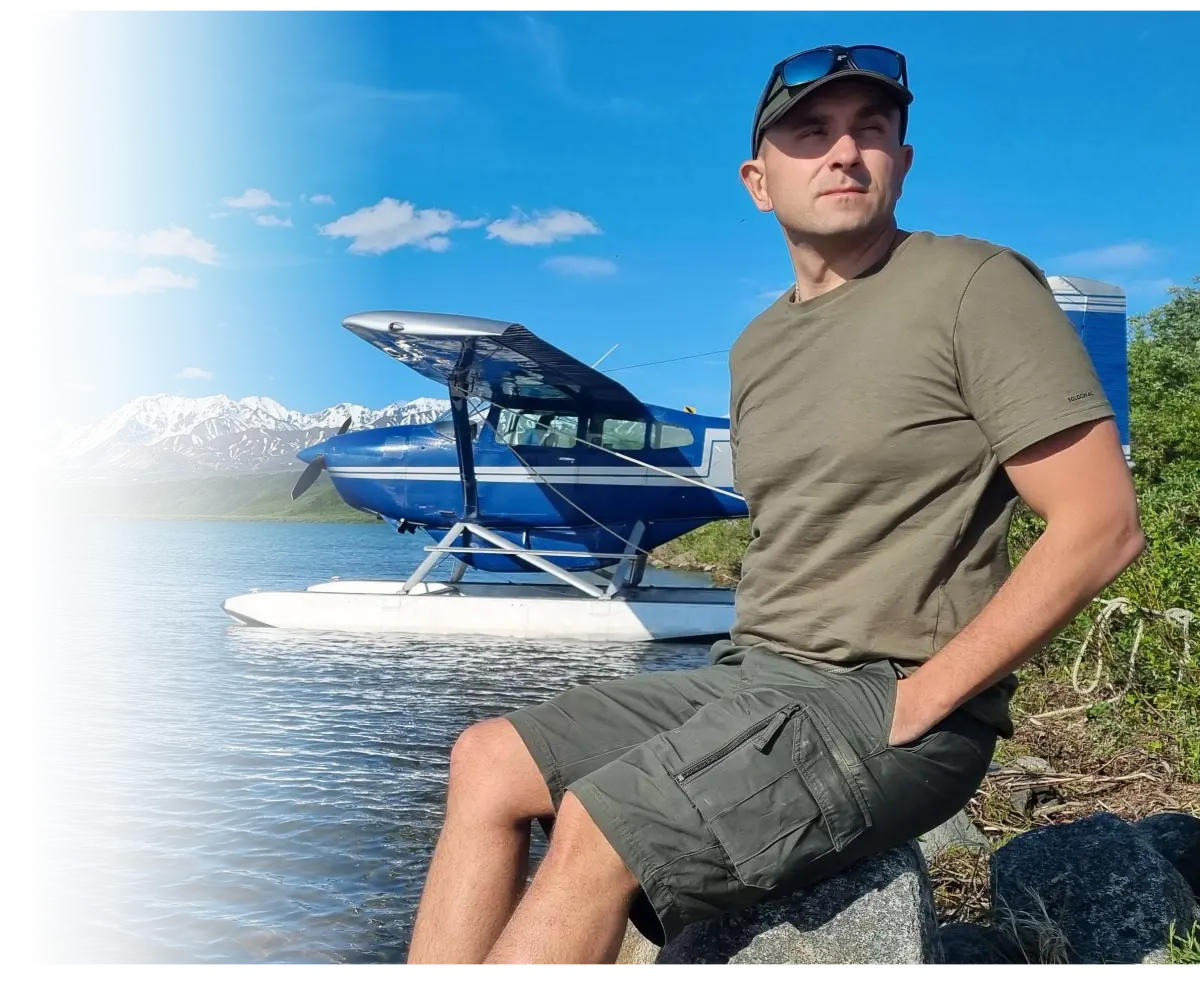
Piotr Soska

13 Years of Experience

I have been working in game development as a designer since 2012. During this time I have held roles such as Level Designer, Narrative Designer, LUA Scripter, Game Designer and Creative Director. I have worked with engines such as Unity 3D, Unreal Engine 4 and other in-house tools.

Beyond designing gameplay systems and levels, I have also led teams of game designers, helping define design processes and workflows, mentoring team members, and supporting their professional growth. As a Narrative Designer, I collaborated on storytelling, world-building, quest design, dialogue, and creating engaging player experiences that seamlessly integrated narrative with gameplay.

Piotr Soska – Senior Game Designer and Narrative Designer, 13+ years in gamedev
10+
Released
Games

Since 2013, I have contributed to the development of multiple games and applications across PC, console, mobile, and VR platforms. These projects varied in both scope, budget, and team size, giving me experience working in diverse production environments.

Skills & Abilities

Unity 3DExpert
Unreal Engine 4/5Intermediate
Leading design teamsVery Good
Game Design Theory, Level Design, UXExpert
Narrative DesignVery Good
Adobe Photoshop, FigmaVery Good
GIT (Tortoise GIT, Sourcetree, GitLab, GitHub)Good
C++, C#Intermediate
Communication, soft skillsVery Good

Roles I'm Open To

I am interested in positions: game designer, narrative designer, game director, creative director, as well as other roles related to game design, as I am a game designer generalist. Based in Kraków, Poland — open to on-site and remote roles. PolandOpen to remote

Let's Work
Together

+48 ••• ••• •••  (click to reveal)